Walter Warda in 1943 at Meissen, Germany, on the Elbe River near Dresden, while training for an artillery observation battalion of the Wehrmacht
Walter Warda was drafted into the German army in April 1943, when he was 17. Eight months later, he was captured by the Red Army on the Eastern Front. Ahead of him were years of suffering in deathly Soviet prison camps.
I found out about Walter from my mother-in-law, who knew him because they lived in the same apartment building for seniors in Allentown, Pennsylvania. When I interviewed him 10 years ago for The Morning Call, he told me his amazing story of survival. You can read it here.
—
Walter was born in Duisburg-Hamborn, near the Dutch border, to a Thyssen steel plant foreman who’d lost an eye fighting for the Kaiser. In the Wehrmacht, Walter was trained as a radio and telegraph operator in an artillery observation battalion, a Beobachtungs-Abteilung, and sent by train to the war in the east.
Barracks at Meissen, 1943
“There was not one soldier who wanted to go there,” he said. “That was like punishment.”
They got as far as southern Ukraine, near the Black Sea, where the Red Army forced them back into Axis-allied Romania and Walter was captured. But he escaped from a line of prisoners on the march, evading shots fired by Russian guards in pursuit.
Walter (left) and brother Wilhelm, called ‘Willi’
He and a buddy fled into Bulgaria and reached neutral Turkey on foot. But they were captured in a border town by Russians on horseback and marched to Romania’s Black Sea port of Constanta. Held there for a while, they were forced to unload ships carrying American planes for the Soviet military.
A train took them through the rubble of Stalingrad and up the Volga River to a camp near the Russian town of Zelenodolsk. In horrendous conditions with hardly any food, Walter, who stood just 5 feet tall, went from 145 pounds to 68 while beset with typhoid fever. He was hospitalized for seven months.
Willi (left) and Walter
Sent to a smaller POW camp, he escaped and slyly hopped a freight train in hopes of reaching safety in Finland. But after he got off the train to get on another, a boy saw him hiding and called police, and he was captured short of his goal. He had been on the lam for 20 days.
Walter was taken to a camp in Kuibyshev on the Volga, where he was viciously beaten, then to another camp where he was kicked so hard, he flew against a wall. His time there was filled with hard labor.
Walter at 17: Adolf Hitler was ‘an international gangster,’ he said. ‘I would have shoot him right away if I can.’
In yet another of nearly two dozen camps where he barely survived, he met a doctor who was a fellow prisoner from near his hometown. Freed and sent home, the doctor informed Walter’s parents in 1949 that he was alive.
“My mom cried over that,” he said.
One day in 1950, five years after the Nazi defeat and the end of World War II, the Russians freed him and almost everyone else in the camp.
Walter returned to Duisburg-Hamborn and found his brother, Wilhelm, playing the accordion in the kitchen. A Wehrmacht soldier, “Willi” had been badly wounded near Leningrad and, like Walter, spent several years as a POW of the Russians.
Irma and Walter
Walter married a seamstress, Irma Plas, and toiled at a shipyard. With a son in tow, they came to America in 1954 and settled in Allentown, where Walter had two uncles. A daughter was born there.
One of Walter’s woodcarvings
For 33 years, Walter welded and did maintenance work at Mack Trucks. He was a happy joke-teller, gifted woodcarver and devoted gardener. He and Irma belonged to a German-American singing society, the Lehigh Saengerbund, for more than six decades. Irma died in 2019 at the age of 91.
With daughter Christa
Walter believed he survived the Eastern Front and his years of appalling captivity because God was with him.
“He protected me in every situation. I had a feeling He was helping me all the time.”
—
Willi Warda came to Philadelphia and provided English translations for these books by a German writer and propagandist. Willi died in 2005 at 81.
I stayed in touch with Walter over the years. He made folksy woodcarvings for my wife and me. He served German beer when I visited and seemed to enjoy our talks. Last August, invited by his daughter, Christa, I attended a party marking his 100th birthday, an extraordinary milestone, given the horrors he endured on the Eastern Front and as a POW of brutal Soviets.
With me at his 100th birthday party in August 2025 at Phoebe Home in Allentown
Walter died in January. Here is his obituary. We said goodbye to him at a church service this past weekend. He was a kind and gentle man. He was my friend.
World War II veteran Stan Friday grew up in the Philadelphia area, the eldest of 10 children. He attended Lower Merion High School and worked at a factory that made gasoline cans for the war effort. In October 1942, he was drafted into the Army.
Stan Friday
After training in Kansas and Arizona, he shipped out to Scotland aboard the Queen Mary with 18,000 other soldiers for the invasion of Nazi-occupied France.
In the first week of August 1944, less than two months after D-Day, he came ashore at Normandy’s Utah Beach with the 80th Infantry Division. He fought the Germans across Europe as a 22-year-old scout in the 317th Infantry Regiment.
IN HIS OWN WORDS
I was a private in General Patton’s 3rd Army. From Utah Beach, we went into every little town, cleaned the town out and went to the next town. Every town you went into, they were glad to have you.
My job was to fight if I had to — I carried an M1 carbine, a .45-caliber pistol and grenades — but going behind the lines to get information was my specialty. I collected half a dozen prisoners for interviews. Most of the time, I went out alone. Sometimes I went with a carrier who’d carry messages back to the lines when we’d run into something. I got close enough to the Germans to see them, hear them, smell the stinkin’ cigarettes they were smoking in their foxholes. You could smell them a mile away. That was a giveaway.
I could handle myself pretty good. My dad was a boxer, so he taught all of us boys how to take care of ourselves. We all had a pair of gloves. I started when I was 2 or 3 years old, so I was pretty rugged that way.
Scouting was nighttime or daytime, depending on the situation. If you knew there was a whole bunch of Germans in one area, our commanders wanted to know about how many. Our job was to go out there, be visible and get shot at, and get away and report back.
I moved on instinct, training. Everything happened so fast. I was fightin’ to save my life, No.1, and trying to outwit the Germans. I was kind of foxy, watched where I went. My night vision was extraordinary. That was before they had glasses today that you can see with in the dark.
Was I ever spotted? Yeah, because somebody was shootin’ at me. It was half moonlight, half just getting light. I seen a German up in a big building. There was one shingle missing and a rifle. Light must have hit it and made a glare, and I seen a flicker in it, and I go: There’s a sniper up there. And I just snuck away, hit the edge of a building and dove through the building. The only thing that didn’t make it was the heel of my shoe. He shot it off. Didn’t hurt my foot. I’m glad I got away.
What am I doing here? I’d think that. But after a while you forget it, and you just continue what you’re doing.
The Sherman tanks and the German Mark V’s had a big battle going on at St. Lo. I found a hole, a depression in the ground, and I just threw myself in it to get away from the firing and covered my face with my arms. A shell from a German tank went off near me. It made me deaf, and I got shrapnel in both arms. Blood was running down. I patched it up myself. Them scars are still with me.
Friday on being an Army scout in Europe: ‘I was kind of foxy, watched where I went.’
If somebody was shootin’ at me, I shot back. Did I hit anyone? Damned if I know. I could’ve. You didn’t have time to look around and see if you hit anybody.
I was usually with my buddy. His name was Monday, and I was Friday. His first name was Kenneth. We were like brothers. We were friends from the day we got in. He was from Wheeling, West Virginia. He got killed in France. I think he got hit when we were around Metz or Nancy.
He took one patrol out, I took another patrol out. Somehow he got caught by a German 88 [millimeter gun]. They caught him comin’ down the side of a hill outside a little town. He got hit in the side. The last thing he told the medic, he wanted to know if I was all right. It was a week later, two weeks later that I found out what happened to him. We were in such commotion there, nothing but fighting and noise.
I don’t want to talk about the Battle of the Bulge. That’s gory. It would put me in a bad mood.
We went in every little town up to Austria. When we got there, we found out the war ended. Austria was like a vacation. Sat around, went swimming, boating, just waiting for a boat to take us home. We waited until October ’45.
At home, I was a wreck. I had nightmares. I couldn’t sleep at night. I got arrested for bein’ bad, drinkin’, gettin’ in fights, startin’ trouble. I loved trouble. The cops said, “We don’t want to see you here again.” It was the transition from Army life to civilian life. Guys couldn’t cope with it. They didn’t know what it was. I seen guys commit suicide and get divorced from their wives. Doctors then didn’t have an idea until they found out it’s in the mind. They had to bring them down on pills and dope.
Not me. I said, I can’t go on living like this. I got hold of my senses and after a while, I straightened out. I went down to Willow Grove [the naval air station] and joined the Navy to get used to civilian life. I could wear civilian clothes. I had training to keep the planes in operation. After about three-and-a-half years, I had to come out. My mother was having a rough time, so they let me out early.
I’d wanted to forget a lot of stuff, and I did a good job of it by joining the Navy.
I got into the construction trade, and I liked construction pretty good. I worked hard at it and learned all I could, worked all the way up to a foreman and then to a superintendent. I was a superintendent of construction for 37 years. I worked on the Limerick [nuclear power plant] towers, the two towers. They’re my babies.
EPILOGUE
For this interview, Friday would not talk about the time a German soldier came at him with a bayonet and the fighting was hand to hand.
“I shudder every time I think about it,” he said. “I don’t want to get into that. It’s stuff I don’t want to even think about. It gets me worried. I’m trying to get the hell away from the past! I don’t want to lay in bed and start crying.”
He did say the tip of the blade made contact with his chest but was blunted by the webbing of his carbine.
Friday was honorably discharged Octpber 21, 1945, at Indiantown Gap. At the time, he was a technician fifth grade, or “tech corporal,” with Headquarters Company, 2nd Battalion, 317th Infantry Regiment, 80th Infantry Division. He had fought in France, Luxembourg, Germany and Austria. Among his decorations were the Purple Heart and Bronze Star.
He worked in construction until retiring at 65. In two-and-a-half years, he designed and built a house on Ziegler Road in Marlborough Township, near Pennsburg. “It’s still standing, a beautiful house,” he said. At the time I met with him, he was living in the Souderton area.
He and his wife, LaRue, went to France for the 75th anniversary of D-Day on June 6, 2019. (Here’s an ABC News article about him.) Honored as a participant in the Allied invasion of Normandy, he shook hands with President Donald Trump and received the highest decoration awarded by the French government, the Legion of Honor, from President Emmanuel Macron.
While presenting the medal during the Omaha Beach ceremony, Macron told Friday, “I’ve read your information, and I know what you did for France.”
Here is Friday in a video interview for the Bastogne War Museum, a brief interview with David Muir of ABCWorld News Tonight, and an interview with two other Normandy veterans on CBS This Morning.
Friday died December 28, 2025, nine days after LaRue’s passing. He was 103. Here is his obituary.
—
My friend Sharon Schell, a booster of veterans, told me about Friday. Her late father, Charles F. Remington, had fought across Europe in the 94th Infantry Division. In 2016, my last year at The Morning Call of Allentown, I got his story into the paper.
Sharon took me to interview Friday on July 3, 2023, at his home. I planned to offer the story to The Morning Call and wrote a draft, which you have just read. But 10 days after our meeting, before I could have a follow-up interview with him, Friday backed out.
A friend said Friday didn’t want to talk anymore. He was having nightmares. He just wanted to forget.
Robert C. Bacon, then a captain, on the June 12, 1964, cover of Life. In the photo taken by British journalist Larry Burrows, Bacon leads South Vietnamese soldiers in the Mekong Delta. In 2001, he sent the image to me with this note: “Thanks for taking your time and energy to honor your fallen cousin. He and the others are all heroes in my mind — as ever your friend Bobby Bacon.”
Thirty years ago, while trying to find out how my cousin Nicky died in Vietnam, I struck up a friendship with a retired Army colonel who figured in the story. He also had been caught up in a deeply controversial episode of the war and had much to say about how the military handled bad publicity. It’s an issue that resonates today.
Robert C. Bacon of Columbia, South Carolina, was a West Point graduate who served two tours in Vietnam, the first in 1963-64 as an adviser to a South Vietnamese battalion, a role that put him on the cover of Life magazine. In the second, from 1969-70, he briefly headed a unit that provided training and orientation for troops newly arrived at Chu Lai, the Americal Division base along the South China Sea.
Nicky, a 20-year-old Army helicopter pilot, was among the soldiers who landed there in July 1969. On his sixth day in Vietnam, he was trucked to a firebase called LZ Bayonet for a class on grenade safety. The sergeant/instructor, in a gimmick to get the men’s attention, unwittingly tossed a live grenade onto the floor. Nicky lost a leg from the blast and died five days later, on July 15, at Chu Lai’s 312th Evacuation Hospital. Back home in Malvern, Pennsylvania, his parents received a bereavement letter from Bacon, commandant of the 23rd Adjutant General Replacement Company, the Americal Combat Center.
Except that they didn’t, really.
Bacon graduated from Peacock Military Academy, a college prep school in San Antonio, Texas, with the Class of 1951. (Kadet Yearbook)
I’d hoped Bacon could help me understand what happened in the classroom but was in for a disappointment. When I first spoke with him in 1996, he said didn’t join the replacement company until five days after Nicky died. He refused to sign the letter that was dropped on his desk, because the “horrible, unfortunate accident” didn’t happen “on my watch” and he had no first-hand knowledge of it. Someone signed the letter for him.
If he had been in charge earlier, Bacon said, he would have halted the grenade-tossing routine as too dangerous.
“It is still hard to believe the attention-getting stunt the sergeant used,” he wrote to me. “One of the best attention-getters was to say at the start of the class, ‘Probably either you or the man sitting next to you will be killed or wounded during your tour. If you pay attention, it might not be you.'”
Lieutenant Colonel Bacon went on to lead the 3rd Battalion, 21st Infantry of the 196th Light Infantry Brigade and earned a Silver Star for gallantry. His name appeared in news accounts around the world after troops under his command reportedly mutinied in the Song Chang Valley near Da Nang. He reassigned the inexperienced lieutenant whose men were involved, saying at the time that he “wasn’t satisfied with the progress the company was making.” Pointedly, he always maintained there had been no mutiny.
Warrant Officer Nicholas L. Venditti, my cousin, at home on leave a few weeks before he died in Vietnam
My story on Nicky’s fate, two decades in the making, would become a book. I stayed in touch with Bacon almost until his death eight years ago, giving him updates on my research and further questioning him as more information came to light. He encouraged me in phone calls and in cards and letters he signed “Bobby,” and invited me to visit him, which I was never able to do. He eagerly shared letters, articles and other remembrances of his Army experience, in particular those concerning the so-called mutiny of Alpha Company in August 1969.
***
The Pentagon’s evasive posture over the blasting of alleged drug-runners’ boats in the Caribbean and eastern Pacific sent me thumbing through my thick folder on Bacon. One of the items he’d sent me was a term paper he wrote for the Army War College in Carlisle, Pennsylvania, in 1973 while pursuing a master’s degree. The paper was for a communications class. In it, he cites the “mutiny” episode as a case study in botched public relations.
His advice to the Army hierarchy on what to do when bad news breaks? Come clean, and do it promptly.
Before you read Bacon’s paper below, I’ll show you the 1969 news story in The New York Times that rankled him for the rest of his days. It ran at the top of Page 1 on a Tuesday and was written by Associated Press staffers Horst Faas and Peter Arnett, both of whom had won Pulitzer Prizes for their coverage of the war — Faas in 1965 for combat photography, and Arnett in 1966 for international reporting. Bacon protested that the story was unfair; they responded respectfully that it was “absolutely fair.” Here is the complete article, followed by the writers’ letter to Bacon addressing his complaint:
Bacon passes in front of President Lyndon B. Johnson in this 1960s White House photo taken during a ceremony for a Medal of Honor recipient. At the time, Bacon was protocol officer for the Army’s chief of staff.
Told to Move Again On 6th Deathly Day, Company A Refuses
The following dispatch is by Horst Faas and Peter Arnett of The Associated Press.
SONGCHANG VALLEY, South Vietnam, Aug. 25 — “I am sorry, sir, but my men refused to go — we cannot move out,” Lieut. Eugene Shurtz Jr. reported to his battalion commander over a crackling field telephone.
Company A of the 196th Light Infantry Brigade’s battle-worn Third Battalion had been ordered at dawn yesterday, to move once more down the jungled rocky slope of Nuilon Mountain into a labyrinth of North Vietnamese bunkers and trench lines 31 miles south of Da Nang.
For five days the company had obeyed orders to make this push. Each time it had been thrown back by invisible enemy forces, which waited through bombs and artillery shells for the Americans to come close, then picked them off.
Colonel Lost in Crash
The battalion commander, Lieut. Col. Robert C. Bacon, had been waiting impatiently for Company A to move out. Colonel Bacon had taken over the battalion after Lieut. Col. Eli P. Howard was killed in a helicopter crash with seven others. Since the crash Tuesday the battalion had been trying to get to the wreckage.
Yesterday morning Colonel Bacon was leading three of his companies in the assault. He paled as Lieutenant Shurtz told him that the soldiers of Company A would not follow orders.
Bacon’s copy of AP’s ‘mutiny’ story
“Repeat that, please,” the colonel said without raising his voice. “Have you told them what it means to disobey orders under fire?”
“I think they understand,” the lieutenant replied, “but some of them simply had enough — they are broken. There are boys here who have only 90 days left in Vietnam. They want to go home in one piece. The situation is psychic here.”
“Are you talking about enlisted men, or are the N.C.O.’s also involved?” the colonel asked.
“That’s the difficulty here,” Lieutenant Shurtz said. “We’ve got a leadership problem. Most of our squad and platoon leaders have been killed or wounded.”
At one point in the fight, Company A was down to 60 men, half of its assigned combat strength.
Bunkers Believed Empty
The colonel told Lieutenant Shurtz: “Go talk to them again and tell them that to the best of our knowledge the bunkers are now empty — the enemy has withdrawn. The mission of A company today is to recover their dead. They have no reason to be afraid. Please take a hand count of how many really do not want to go.”
The lieutenant came back a few minutes later: “They won’t go, colonel, and I did not ask for the hand count because I am afraid that they all stick together even though some might prefer to go.”
The colonel told him: “Leave these men on the hill and take your C.P. element and move to the objective.”
The lieutenant said he was preparing to move his command post and asked: “What do we do with the ammunition supplies? Shall we destroy them?”
“Leave it with them,” the colonel ordered.
Little Comforts Missing
Then Colonel Bacon told his executive officer, Maj. Richard Waite, and one of his Vietnam veterans, Sgt. Okey Blankenship, to fly from the battalion base across the valley to talk with Company A.
“Give them a pep talk and a kick in the butt,” he said.
They found the men exhausted in the tall, blackened elephant grass, their uniforms ripped and caked with dirt.
“One of them was crying,” Sergeant Blankenship said.
The soldiers told why they would not move. “It poured out of them,” the sergeant said.
They said they were sick of the endless battling in torrid heat, the constant danger of sudden firefights by day and the mortar fire and enemy probing at night. They said that they had not had enough sleep and that they were being pushed too hard. They had not had any mail or hot food. They had not had any of the little comforts that made the war endurable.
Helicopters brought in the basic needs — ammunition, food and water — at a tremendous risk under heavy enemy ground fire. But the men believed that they were in danger of annihilation and would go no farther.
Major Waite and Sergeant Blankenship listened to the soldiers, most of them a generation younger, draftees 19 and 20 years old.
Sergeant Blankenship, a quick-tempered man, began arguing.
“One of them yelled to me that his company had suffered too much and that it should not have to go on,” Sergeant Blankenship said. “I answered him that another company was down to 15 men still on the move — and I lied to him — and he asked me, ‘Why did they do it?’ “
“Maybe they have got something a little more than what you have got,” the sergeant replied.
“Don’t call us cowards, we are not cowards,” the soldier howled, running toward Sergeant Blankenship, fists up.
Sergeant Blankenship turned and walked down the ridge line to the company commander.
The sergeant looked back and saw that the men of Company A were stirring. They picked up their rifles, fell into a loose formation and followed him down the cratered slope.
***
Bacon complained about the story to Arnett and Faas. He sent me a copy of their response. Here it is:
Faas and Arnett’s response to Bacon
The Associated Press P.O. Box 702 Saigon
August 26, 1969
Lt. Colonel Robert C. Bacon Commander, 3rd Battalion, 21st Infantry 196th Light Infantry Brigade
Dear Colonel Bacon,
Enclosed for your information is the story we did on “A” Company last weekend.
We hear that some kind of investigation has been ordered into this story, and we truly hope that this has not inconvenienced you, or interfered with your business of getting on with the war.
We feel the story was absolutely fair, and on reading it, I believe you and the others will agree. War is a very human experience, and we seek to portray this human side just as much as we do the statistics. Just as you and your officers have as your duty to fight the war to the best of your abilities, we have the duty to report it. The story of “A” Company was as moving a piece as we have written out of the war, and we tried very hard to emphasize your own coolness during the crisis, and the ability of Major Waite and SFC Blankenship in convincing the men on the hill to go back into the fight.
You and your men were very kind to us both, and to all the other AP people who visited you during a very trying period. We hope you don’t feel we have “betrayed” you. On the contrary, we feel that the “Gimlets” are as fine a bunch of men in the whole war, and that the story of “A” company bore that out.
Sincerely, Peter Arnett & Horst Faas
***
Here is Bacon’s Army War College paper:
MUTINY IN COMPANY A — FACT OR FICTION A CASE STUDY IN PUBLIC RELATIONS
By Robert C. Bacon March 1973
Bacon’s Army War College term paper, written for a communications class at nearby Shippensburg State College, now a university.
For most Americans, 26 August 1969 started as a typical hot summer Tuesday … that is until they had their first cup of coffee and opened their morning newspaper. It was at that moment that many were startled and stunned by headlines such as “Company A Refuses to Go,” or “Weary Viet GIs Defy Orders.” Their shock was warranted, for this appeared to be the first large-scale combat refusal by U.S. soldiers in over seven years of participation in the war. The message was not confined to the United States, as was pointed out by David Lawrence in his article in U.S. News & World Report titled “What’s Become of Voluntary Censorship?”
“… [T]he dispatch which revealed that American troops were engaged in a mutiny was promptly spread around the world. The North Vietnamese officials read it, and so did the leaders in Moscow and Peking. The impression was conveyed that the United States had on its hands an incipient rebellion in the ranks of its armed services. Broadcasts by Viet Cong radio hailed the news and predicted more such incidents would follow.”
Others felt that the alleged incident was having a profound impact on President Nixon. For example, in The New York Times of 27 August, James Reston in a commentary entitled “A Whiff of Mutiny” inferred that the president now had to consider a revolt by all the military men in Vietnam. Similar inferences were undoubtedly drawn by enemy negotiators at Paris who were undoubtedly encouraged to postpone any concessions toward a peaceful resolution of the war.
Since the incident took place several years ago, the entire initial article by Horst Faas and Peter Arnett is repeated on the following page as it appeared in The New York Times of 26 August 1969.
In the next few days following the release of the article, nothing was done on the part of the Army to refute or explain had had actually happened. The complete vacuum of press releases by the Army undoubtedly occurred because:
— The article came as a complete surprise and had not been anticipated even by those members of the Army directly involved in the incident.
— The Army, for a period of three days, closed the gates of communication to other members of the press corps who were trying to dig deeper into the story.
Thus, two cardinal rules of good public relations were violated:
— Anticipate adverse publicity as it is developing and be prepared to react.
— After an incident occurs, maximum disclosure with minimum delay should be the standard.
Why wasn’t the story anticipated? Principally it was because I, as the battalion commander, did not view it in the same light as the two reporters. To me, the entire unit, including Company A, had fought a magnificent and courageous battle over a period of six days against very tough opposition. Company A had hesitated to get into battle for a period of about 55 minutes only because their inexperienced and battle-weary company commander had failed to give them a direct order to do so. Accordingly two days before the article had appeared in the news, I had relieved the company commander and praised the soldiers in Company A. At the time, I would have thought it was incredible that anyone could have inferred that the entire company had been cowardly and refused to fight.
Bacon points to his medals for a story about him that ran May 26, 2011, in South Carolina’s Fort Jackson Leader. He was stationed at the fort from 1976-83 and retired from the Army in 1985. Susanne Kappler took the photo and wrote the article after Bacon appeared at a Retiree Appreciation Days event.
Further, it was anticipated that any stories by Mr. Faas and Mr. Arnett would be centered around the combat actions of the battalion as well as the recovery of their compatriot, Mr. Oliver Noonan, [a freelance photographer for The Boston Globe] who had been shot down in a helicopter in the early phase of the battle. Further, neither Mr. Arnett nor Mr. Faas had ever been with Company A or any of its members during any part of the operation. They were quite congenial when they departed — asked no questions about Company A and appeared only interested in verifying their account of the operation. This initial assessment of what they might write appeared to be substantiated by articles in the Times on 24 and 25 August. In these articles, the battle and the recovery of Mr. Noonan were well-covered in detail, and it was not until 26 August [that] the balloon burst.
In reflection, perhaps the single most important reason I did not anticipate or expect an article of this nature was my previous experiences long ago with Mr. Faas and other members of the press corps. Perhaps I might have been more wary had the information officer or someone else clued me in on the subtle change and pressures on the press corps since my previous assignment in Vietnam.
On my first tour in 1963-64, there were few Americans in the field, and it was not uncommon to have a member of the media tag along on an operation. The first correspondent I recall encountering was Mr. Larry Burrows, who was killed about two years ago [in 1971] when his Vietnamese helicopter was shot down over Laos. Larry was courageous, professional, attended his own needs in the field and was a pleasure to be around. In June of 1964, he took a picture of me that ended up on the cover of Life magazine, and in the same issue was some very objective reporting on atrocities by both the Viet Cong and South Vietnamese soldiers. Horst Faas was a lot like Larry and got his job done with a minimum interference with the operation. His photographic skills and moving dialogue graced many newspapers in those days. Particularly impressive was a story he did on the Viet Cong bombing of a floating Chinese restaurant in Saigon. Once, I asked why he didn’t use any Japanese cameras and fondly recall his reply in a thick German accent — “One thing about a Leica, it always works.”
In those days, the press corps in Saigon was primarily composed of tested, experienced, responsible, mature combat correspondents. While I might not have liked what they had to say in some articles, it was normally always objectively reported and well-documented. Later, with the surge of U.S. units, younger, less experienced correspondents flooded into Saigon. These [Y]oung Turks knew where the action was, and some would go to any extreme to sensationalize to get that all important byline on the front page of major newspapers. Some of the most stirring accounts of battles were written by some of these men who never got out of Saigon. Their reports were strictly based on what they had picked up at the daily press conference, spiced up with information they had picked up at the local bars. These grandstand plays by the [Y]oung Turks undoubtedly put extreme pressure on some of the older correspondents to sensationalize. Unfortunately, I was unaware of this metamorphosis in the press corps. Hence, without benefit of a pre-brief by the information officer, I considered Horst Faas to be as responsible, objective and mature as in our early encounters. I should have suspected he had changed when, after being out in the field for about six hours, I had to give him half a canteen of water.
As protocol officer for General Harold Johnson, the Army chief of staff in 1968, Bacon helped organize the funeral of Senator Robert F. Kennedy. The next year, he had the same role under General William Westmoreland for the funeral of former President Dwight D. Eisenhower.
Well, this leads to perhaps the most important rule in public relations:
— Know your reporter/advisory [sic].
Some will be experienced, sympathetic, objective and responsible. Others will quote you out of context, distort the facts or maybe even sensationalize. Forewarned is fore-armed. Always get your public affairs/information officer to give a pre-brief so that you will be prepared for the challenge.
In this particular incident, I was taken completely by surprise. Mr. Faas and Mr. Arnett must have known they were sitting on a gold mine and felt the same sense of euphoria as an addict that mainlines for the first time.
When the story broke, we couldn’t believe it and were in a momentary state of shock. We quickly recovered and wanted to set the record straight, and even without any public relations background, realized that time was critical and any impact to contradict or explain the situation had to be done quickly. The communication to explain what had transpired was in our hands.
— The company did not fail to obey an order. They were never given an order. When an order was given, the entire unit had moved out.
— The article was written as a first-hand account, yet neither Mr. Faas or Mr. Arnett was ever with the unit and had not talked with a single soldier in Company A.
— The hesitation lasted about 55 minutes, and the company was still in the field doing a good job.
Other points could be mentioned, but the big problem, for some unexplainable reason, was a blockout [sic] imposed on the media for two days. Why the Army didn’t follow a policy of maximum exposure with minimum delay still astounds me.
The location of my unit was, as they say in Army jargon, out in the boonies. The only way we could be reached was by helicopter. When the reporters finally arrived, we told the story as honestly as possible and invited them out to see Company A, which was still in the field.
The following are some quotes from articles that appeared some time after the incident, which if released in a timely manner might have overcome some of the adverse publicity of the original article.
In Newsweek, 8 September, in a commentary titled “The Alpha Incident”: “… [T]he article a gross injustice to all concerned.”
In Pittsburgh Press, 2 September 1969, in an interview with Specialist 4 Curtis, a member of Company A: “We never at any time said we wouldn’t go down the hill. … When Lieutenant Shurtz gave us a direct order, we started moving.”
In Time, 8 September 1969, in an article “Incident in Song Chang Valley”: “Neither Faas or Arnett saw or spoke to anyone in Alpha first hand. … [T]heir report that nearly all the soldiers of A Company broke was plainly exaggerated.”
In Detroit News, 2 September 1969: “Captain Bligh would have sniffed with a Charles Laughton disdain had anyone suggested to him the incident … was mutiny, which is how some commentators have described it.”
In Waterville, Maine Morning Sentinel, 13 September 1969, interview with [Private First Class] Batchelder, A Company, who lived in Dexter, Maine: “Please let the people know that this company is not chicken. We lost half our company and were exhausted from five days of fighting. … There was no mutiny, and to say otherwise is a disgrace.”
While there is no way of knowing the impact of these articles, we could certainly conclude that it was somewhat less than if they had been dispatched in a timely manner. At least this would have caused the public to look at other facets of the issue. Perhaps then they might have come to the conclusion that no one relishes the thought of going into battle. That the soldiers in Company A were tired and frightened and hesitated on going into battle primarily because their company commander could not meet the awesome challenge of ordering them to do so. Finally, they might have concluded, as I did, that Company A was a very courageous company that overcame their infectious fear and accomplished their mission in a truly outstanding manner.
It is not the purpose of this paper to be overly critical of Mr. Faas or Mr. Arnett. They both were undoubtedly under pressure to get a big story whenever they could. Had they bothered to check more deeply prior to publishing the story, they too might have come up with a different version. Their story was based on what they overheard on the radio and a conversation with a sergeant [Blankenship] who I had sent out to Company A. Considering their sources, the article could be classified as object [sic], albeit not in-depth, reporting. Certainly the letter they dispatched to me, on the following page, would indicate their sincerity.
To me, there is a contradiction between the actual article and the last sentence in the letter. I cannot see how the article as written would lead the public to believe that the Gimlets (my battalion) were “as fine a bunch of men in the whole war, and the story of A Company bore that out.[“] However, admittedly I too am looking at the article in a nonobjective and parochial manner.
Well, the chapter is closed on this episode, but to me there were some worthwhile lessons.
— Always try to find out the background of a reporter that will visit you or your unit.
— Anticipate and look for not only the good news, but also the bad news. This should be done on a continuing basis and not just when a reporter is visiting you.
— When a story breaks, be prepared to react. The reaction should be honest and factual. It should be a maximum disclosure and given rapidly. The public knows that no one is perfect, especially an organization as large as an army. While there may be some initial embarrassment, it will quickly fade away. Any attempt to cover up or distort the facts will only draw more attention to the issue, and as we all know, the truth will eventually be brought to light.
***
I’ve written several blogs about the episode from soldiers who were there. One was an interview with Alpha Company medic Fred Sanders. Another was an account by artillery officer Alan Freeman, and another by company “grunt” James Dieli. All maintained there had been no mutiny.
Bacon lived to see my book on my cousin, Warrant Officer Nicholas L. Venditti, which was titled Tragedy at Chu Lai and published by McFarland & Co. in 2016. The next year, Bacon died from cancer at 83. Here is his obituary.
He had once written: “I know your book is a labor of love, but you have probably gotten much more out of your efforts than just a book.
“I am sorry I’m a little sketchy on the details, but what I did tell you is 100% true. Thankfully because of the grace of God, many of the bad experiences, injuries, etc. are hidden deeply in our brains. For example, it is difficult to remember the pain of a serious injury. Were it otherwise, I think more of us would have gone mad.”
Here’s a Vietnam War story from an Air Force veteran, the late Herbert J. Tretter:
—
Herbert J. Tretter at Bien Hoa Air Base, Vietnam, 1966-67 (Contributed photos)
There are such contrasting memories for those of us who were military and stationed in Vietnam. I was a career Air Force security policeman from 1950-70.
In 1966, I was stationed at Detachment 1, 78th Fighter Wing, Air Defense Command, Dispersal Site, Security Police Section, Siskiyou County Airport in Montague, California. This grandiose-sounding assignment was actually a tiny airport near the quaint town of Yrekain the beautiful Siskiyou Mountains just north of Mount Shasta and just south of the Oregon border.
I was only four years from retirement and very content with my current assignment when I received orders for transfer to “APO 96227.” I found out later that APO 96227 was Bien Hoa Air Base, Vietnam, about 16 miles north of Saigon. I had to report to Lackland Air Force Base, Texas, for a physical and combat training. Then I had to move my family 3,000 miles from California to my native home in Allentown, Pennsylvania. At that time, it was too expensive to fly, so we drove cross-country in five days.
On October 30, 1966, I flew out of ABE Airport [Allentown-Bethlehem-Easton, now Lehigh Valley International Airport] on United Airlines’ first jet flight out of ABE. I flew from Allentown to Chicago to Denver and finally to San Francisco, where I transferred to a military contract carrier to fly the final leg to Saigon’s Tan Son Nhut Air Base.
Flying over Vietnam would have been beautiful if there had not been a war going on. I remember deep blue rivers and lush tropical vegetation. Upon arrival in Vietnam, I had to stay overnight at Tan Son Nhut. The next morning, I boarded a bus bound for Bien Hoa Air Base. The bus had wire mesh on the windows to prevent hand grenades from being thrown in. In those days, there wasn’t air conditioning, so the bus windows were always open to the 90-degree sweltering heat.
At Bien Hoa, I was assigned to Flight B afternoon shift. We were on duty from 1-9 p.m. providing security for the base. The aircraft on this base flew 50% of the combat missions in Vietnam. We had a full squadron of Ranch Hand C-123 aircraft, which were assigned to defoliation. Across from our base was the camp of the 173rd Airborne Brigade, the only unit to make an airborne jump in Vietnam. These guys were tough, and they were trained to fight. If they weren’t fighting Viet Cong, they were fighting airmen, soldiers or sailors; they would even fight with each other on occasion. They were a tight-knit unit who fought together and drank together. If they wanted to go out to a local club for drinks, they’d throw a smoke bomb in, yell “Incoming!” and the bar would clear out for them.
Tretter was a member of the VFW, American Legion and the Air Force Association. (The Morning Call)
I was the security flight chief, so my first assignment was to inspect all security posts. Actually my first assignment was to find all the security posts. The non-commissioned officer that I replaced was already back in the U.S., so I had no idea where all the posts were. My solution to this problem was to drive to one post and ask the guard where the next post was. I eventually made it around the perimeter of the base by getting directions at each post.
As security policemen in Vietnam, we had to adapt to our tropical environment. I’ll never forget the time one of our outposts spotted a roaming wild tiger on the base. We had to put out a base-wide alert. We never did catch the tiger; he somehow evaded base security and wandered back out to the jungle, which was fine by me. Rats were a big — and I mean 8-inch big — problem. Many of our troops kept local mongrel dogs with them. These dogs would hunt and kill the rats for us.
In January 1967 during the Tet truce, the Viet Cong blew up our napalm storage area. The fire raged out of control for one-and-a-half hours, lighting up the night sky as if it were midday. The security police were later honored with an Air Force Outstanding Unit citation and a parade of two flights of security policemen and two flights of K-9 Corps dogs and handlers for their exceptional performance of duty. In May 1967, the Viet Cong shelled Bien Hoa with 125 rounds of 144-mm rockets, heavy mortar and recoilless rifle attacks, resulting in six American deaths and 31 Americans wounded. That night taught me what it is like to be scared. That night I tried to dig a foxhole in concrete with my bare hands and discovered it’s not possible.
During my tour, I was selected to be the non-commissioned officer in charge of the armory for the 3rd Security Police Squadron. Our weapons included the .38-caliber revolver, M-16 rifle, AR-15 submachine gun, 40-mm grenade launcher and the M-60 machine gun. I worked with and around a variety of weapons in those days. That exposure left me with no desire to ever own a weapon. After counting down 365 days on my FIGMO calendar, I left Vietnam on the Freedom Bird on October 26, 1967, with some of the most unforgettable memories of my life.
—
Tretter served in Japan during the Korean War as well as in Vietnam. After 20 years in the Air Force, he retired as a master sergeant. He died in 2011 at age 77. You can read his obituary here.
First Lieutenant James Solomon attended Officer Candidates School at Fort Benning, Georgia, where he received his commission. (Newspapers.com)
Here’s another World War II story, this one told by retired Lieutenant Colonel James Solomon Sr. of Allentown, Pennsylvania. In 1944, he led a platoon of the Army’s 34th Infantry Division in Italy, fighting on the Anzio beachhead and helping to capture Rome.
That July, the 28-year-old first lieutenant suffered a leg wound. Writing to his mother from a field hospital, he told how his company “lived off the land” for two weeks before he was hit, with pears, plums and figs in abundance from Tuscany orchards.
—
“Sir! Sir! Lieutenant! Lieutenant!”
Discordant and demanding, that call struck at the core of my heart. Above the din of the sounds of war, I heard those desperate and strident cries coming from men to my rear.
It was May 30, 1944, Memorial Day. The sun beat upon us unmercifully, our throats were parched, but we dared not halt to drink from our canteens. Leaden shoes seemed to encompass our feet. The gear we carried was heavy and chafing our shoulders. We were in regimental reserve and following the tanks that were just ahead.
The 1933 Allentown High School yearbook, the Comus, calls Solomon ‘a finely built chap’ with ‘a flare [sic] for literature.’ (Allentown Public Library)
I was leading and intent on looking over the terrain to our front, and at the same time aware of possible mines. The glint of a well-worn wallet caught my attention, and I stooped to pick it up without changing my pace. Shoving it into my pocket, I decided to examine it later. It was probably lost by a soldier who had preceded us. I would make sure that it would be returned to the rightful owner.
Suddenly we encountered machine gun, rifle and small arms fire coming from our right flank. We had been crossing an open wheat field when we were observed by the enemy. Naturally, we hit the dirt. It was exactly what the Germans wanted us to do, because their artillery and tanks opened fire on us. We lay low while the shells exploded around us. The shelling ceased, and as I arose to get the men going toward our objective, I heard the dreaded sounds calling me to come to the rear.
All of my men were still in a prone position. The medic and I arrived at the tragic scene at the same time. I immediately saw that two of my men, Rowe and Ozzie, were wounded. The shell had struck between them. As we crouched beside Rowe, the medic looked at me pleadingly. “What shall we do? He has a sucking wound.”
Rowe’s breathing was hard, and I could hear it coming from the gaping wound in his lower chest. He was unconscious, and death would be upon him in a minute or two.
“There’s nothing you can do!” I responded to the medic.
“Nothing!” the medic echoed. We moved to the next victim, Ozzie.
Ozzie was gone. I could see his brains scattered about. I wanted to see no more. I met the medic’s glance with a shake of my head. “Let them be, and let’s get out of here.”
The assessment of the injuries only took a few seconds. The problem that reared up before me was the necessity of removing my remaining men to a safer place, which was a few hundred yards ahead. Up until then, the rest of the men were unaware of the casualties. As I ran back to my original position, I called to the men to follow me. Then we moved out quickly and at a trot.
Two hundred yards later, after placing my men in a slight defilade, I took a headcount and found that half of my men were missing.
“Sir,” one of my sergeants said, “somebody didn’t pass the word to move out. They’re still lying where we were pinned down. Shall I go for them?”
Solomon at 58, when he was president of Solomon Lincoln-Mercury Sales in Allentown (Newspapers.com)
“No,” I replied. “I’ll go. You stay here until I get back with them.”
I was not going to let the sergeant correct something that was my fault. The men were my responsibility, and I went back for them. It was a grueling couple hundred yards, and I was still carrying all my equipment, which included my pack, walkie-talkie (hand-held radio), field glasses, two rounds of bazooka ammo and a carbine. Halfway, I dropped the walkie-talkie, field glasses and the bazooka ammo, with the idea that I would pick them up on my return with the men.
I found my men still in their prone positions in the wheat field. They were in the column behind the casualties, Rowe and Ozzie. Carefully, I had the men follow me in a manner in which they would not see their fallen comrades. In doing so, I got off the path that I had followed to meet them. As a result, I would not pick up my equipment at the halfway mark. Instead, I got them to safety immediately. I was determined to regain my gear later.
Needless to say, I was exhausted and decided to wait until things quieted before returning to reclaim my belongings from where I had dropped them. The items were vital and in short supply. I could not even think about abandoning them.
An hour before sunset, I steeled myself and set out in a run toward the spot where my belongings should be. When I got there, I could not find them because of the many new shell holes that pockmarked the area. Fresh dirt was thrown everywhere, and the articles I sought to recover could not be readily seen. Then I heard the machine-gun bullets whiz by. I dove into a bomb crater that was a short distance away.
Solomon in 2000 (Newspapers.com)
Several rounds from a not-too-distant tank landed near me, showering me with dirt. I lay huddled at the edge of the crater that faced the enemy. I prayed as the shells landed closer. When an 88mm shell struck the edge of the crater opposite me, I cringed waiting for the deadly explosion. I only received some soil that was thrown my way by the impact. It was a dud! There was nothing more. It was the last round fired in my direction.
I waited several minutes before leaving my sanctuary and then picked up my equipment, which was almost totally covered with Italian soil. Losing no time in returning to my men, I did not mention the close shave that I had just a few minutes earlier. We never spoke of those things, because they occurred all the time to one soldier or another. It was a commonplace experience and not worth mentioning.
Sitting down to rest for the first time in hours was some comfort to me, except that I experienced a jolt to my backside and realized that I had placed the lost wallet there. I took out the wallet, opened it and looked for the owner’s identification. It contained no money, only a V-mail from his mother with his name and APO address. The soldier was from Bethlehem, Pennsylvania. His name was John R. Snell, and he lived in the 1100 block of Arcadia Street.
Within the next few days I stuffed the wallet an an envelope and mailed it to the soldier’s mother with a short note of explanation. I also told her that I was from Allentown [which borders Bethlehem].
The July 26, 1944, issue of The Morning Call of Allentown reports on a letter Solomon wrote to his mother after he was wounded in the leg. (Newspapers.com)
A few weeks later, my mother wrote telling me that John Snell was killed in action and that his mother had paid her a visit. In August 1944, while I was still recovering from my wound at the 6695th Conditioning Company, I received a letter from Mary Snell thanking me for the wallet. She included a photo of John Raphael Snell.
After returning to the United States, either in December 1945 or January 1946, I went to Hamburg, Pennsylvania, to call on the parents of another one of my men who had lost his life in Italy. His folks owned the movie theater there. I do not recall his name.
I am sorry to say that I could not complete my mission that day. I lost my nerve after I arrived at the theater, so I turned around and went home. There were no words in the dictionary that I could use to explain away their loss. I had nothing to say, and the pain was too great.
—
John R. Snell was a 19-year-old private when he was killed on the Italian front May 30, 1944, a month after he shipped overseas and the day Solomon found his wallet.
Solomon had five years of active duty in Europe and was awarded a Bronze Star and Purple Heart. He ran a postwar refugee camp in northern Italy’s Modena, where thousands of displaced Europeans were processed. The experience led him to write and self-publish a novel in 2000, Il Comandante. He worked for the War Assets Administration from 1946-48 and was an Army reservist for 28 years.
A longtime businessman, he owned a Lincoln-Mercury car dealership. He was 86 when he died in 2003. You can read his obituary here.
That was four years after Solomon sent me his story about Private Snell’s wallet.
Here’s another World War II story, untold until now. The writer was China-Burma-India veteran Fred C. Wasem of Jim Thorpe and Bethlehem, Pennsylvania.
—
On March 12, 1943, at age 19, I was inducted into the Army. I went to Atlantic City for basic training in the Army Air Forces and was billeted at the old Hotel Brighton. Our hotel was judged the best marching outfit in Atlantic City. We won the honor of having the Glenn Miller Orchestra play at dinner every evening for a week.
After six weeks, I was sent to South Dakota State College, where I took a course in Army law to become an Adjutant General secretary.
We were up at 5 o’clock in the morning, a half-hour to wash, make your bed and ready the room, exercise for half an hour, one hour for breakfast, a half-hour to one’s self, fall out and march to your respective classes. From 7:30 until noon were classes and lectures. Lunch was from noon until 1 o’clock. Classes then continued until 3:30, with compulsory close-order drill until 4:30. From then until 7 o’clock, you would eat and do what you wanted. Compulsory study began at 7 o’clock and ended at 9. Lights out was 10 o’clock.
This was five-and-a-half days a week. The school lasted three months. I lost a week of schooling by being hospitalized. [Wasem didn’t say whether he was ill or injured.] I had a very difficult time trying to catch up and did not succeed. I completed the course but did not graduate.
I joined the 1066th Quartermaster Company, 12th Air Service Group at Biggs Field in El Paso, Texas. After a two-month stay, we went to Albuquerque, New Mexico, and then to Camp Anza in Riverside, California. This was an embarkation camp for overseas. We stayed for two weeks and did nothing but loaf. Our company had 76 men and five officers; a WAC company had 75 girls and three officers. We had a wiz ding of a beer party.
We then went to our ship, the USS Hermitage, an Italian luxury liner which was scuttled in Cuba and made into a troopship which could accommodate 7,000 troops. We left Los Angeles on November 10, 1943, for Bombay, India.
With nothing to do but loaf, I went to the troop office and inquired about a job with the shipfitters. Being a plumber, I had a sailor as a helper who wanted to learn the trade. We repaired all sorts of leaks in the toilet rooms.
The ship’s engine broke down. While we were in for repair on the island of Bora Bora, my company had to do KP. It was so hot that the steel-plated deck in the kitchen burned your feet. I jumped ship for a swim.
We landed December 11 at Perth, Australia, and at Bombay 15 days later. I was put on detached service to await the arrival of our cargo ship. Our group consisted of 24 men and one officer. We stayed in Bombay about a month, then boarded a passenger train bound for Calcutta. We had only wooden seats to sit and sleep on. I joined my outfit outside Calcutta in a tent camp.
We were caught up in a monkey migration. Thousands of the animals covered everything in their wake. Very noisy and a big nuisance. It lasted about a day. Also, there were red-headed vultures perched in trees. When you would walk in the open area with your mess kit, after going through the food line, they would swoop down and try to steal your kit. You had to bend over and hide under a tree.
We left this camp via a narrow-gauge railroad for somewhere in Assam and experienced many delays. The worst was that the engineer put the train into a siding and went home to his family for about three days. We ran out of our food and had to eat British hard crackers, along with bananas we picked from the trees.
Upon arrival at a railroad yard, we drove two days to an airfield and boarded a C-46 for Kunming, China. Eight of us were put on detached service with the remaining elements of the old Flying Tigers until July 31, 1944. We then were transferred into the 1151st Quartermaster Company, 68th Air Service Group.
In Kunming, we worked in a warehouse very close to the airport. I was the NCO in charge of salvageable material such as clothing, bedding and office furniture.
Claire Chennault (AviationHistory.com)
One day, the major in charge brought a brigadier general into the office. The general was introduced to me. His name was Hood. I had to do a job for him on Major General Claire Chennault‘s private airplane. I had to upholster a fighter pilot’s seat which was being installed in the airplane for the general’s dog. I had the job done with old olive-drab blankets. General Hood was so well-pleased with the work that we became friends. He loafed at my office many times and smoked cigars with he. He brought me beer from India when there wasn’t any to be found.
We had two Chinese orphan boys tending to our barracks. They cleaned and mopped, made our beds, sent our dirty wash to be washed and dried, then picked it up for us. We had a sit-down mess hall, and the house boys acted as waiters. Breakfast always consisted of eggs, hotcakes or french toast, juice and coffee. Lunch and dinner were chicken or water buffalo, boiled vegetables, rice, bread and coffee. I lost about 30 pounds in two years.
We left Kunming for Luliang Airfield. I was put in charge of wholesale PX supplies. It took a lot of paperwork for ordering, inventory and allotting of supplies based on each company’s morning reports for all the outfits we served. This job paid extra, over and above my T/4 rank and overseas pay. It added up to a master sergeant’s base pay of $135.
A volunteer job was added to my regular job. It was a grave registration detail. We were called out all hours of the day and night to recover the bodies of the dead flyers and others. After the bodies were identified, we tagged and boxed them, then transported them by truck to Kunming, where they were placed in above-ground vaults.
We left Luliang in November 1945 via a C-54 for Calcutta and stayed in a camp for about two weeks until a ship came to take us home. The General J.R. Brooke arrived. We went by way of Ceylon [now Sri Lanka], up through the Red Sea, stopped in Egypt, then through the Suez Canal and into the Mediterranean. I saw the Italian boot in the distance, the Rock of Gibraltar. When we arrived in New York on January 3, 1946, the ships in the harbor sounded their foghorns and the fire boats put up a display of water, welcoming us home.
I went by train to Camp Kilmer, New Jersey, then to Indiantown Gap, Pennsylvania, where I was discharged. The Army gave me $1.50 for bus fare home to Mauch Chunk [now Jim Thorpe].
Two years, nine months and 26 days since I left home.
—
Wasem had his own plumbing and heating business in Jim Thorpe and later worked for Bethlehem Steel. He was a Lions Club president, local unit commander of the China-Burma-India Veterans Association and president of the Allentown United Veterans of Wars. He died on his 85th birthday in 2008. You can read his obituary here.
During World War II, Max Snider provided the gasoline for tank commander George S. Patton’s army in Europe. Twenty-six years ago, the freelance writer and retired associate dean of Lehigh University’s College of Business and Economics sent me this story he wrote. It’s about his role in clearing a soldier’s marriage after the war had been won.
—
Colonel Max Snider of the Allentown (Pa.) Army Reserve Officers School on his retirement from teaching there in 1966 (Newspapers.com)
In about mid-September 1945, I found in Army mail brought to my battalion headquarters in Liege, Belgium, orders that the Army had appointed me to interview a young Belgian woman living with her mother, a widow, on a small farm a few miles outside Liege. An American soldier had requested the required Army permission to marry the daughter. These orders demanded that I fill out an elaborate questionnaire, designed by some Army personnel type, and make a mandatory decision as to whether I would recommend approval or disapproval of the marriage. The soldier’s Army record was detailed. He was 21 years old and had served as a private first class infantry rifleman who landed on D-Day in Normandy at Utah Beach, fought his way through the campaigns of Normandy, Northern France, Ardennes (Battle of the Bulge), Rhineland and Germany and somehow managed to suffer only two minor wounds. I marveled at the awesome control of our Army over this soldier — to intrude into the most intensely private and personal issue of approving or denying his marriage.
At this time, I was a 30-year-old lieutenant colonel in command of a battalion headquarters. I had served in the headquarters of General Patton’s 3rd Army in charge of gasoline through the campaigns of Normandy, Northern France and Rhineland. It was my job to travel by jeep from the 3rd Army headquarters to as near the front lines as we dared to set up gasoline dumps and supervise their operation. The United Nations had won the war in Europe and in Japan. We waited impatiently to return home. The horrors of the war were still fresh in my mind. In my nightmares, I re-enacted them — the ancient stone houses of Sainte-Mere-Eglise in Normandy that had housed many generations of French families reduced to rubble, the wan and hungry children, the dead soldiers and the dying soldier crying for his mother in an Army hospital during my 10-day confinement there in Nancy, France.
The Army furnished me with a staff car and driver and a translator who could speak the French dialect of the Belgian Walloons and turn it into heavily French-accented English. The translator, skinny, poker-faced with a cadaverous complexion, smoked a huge pipe almost as big as a saxophone. He had stuffed his pipe with a minimal amount of tobacco, still in short supply in Belgium after the war, but if you judged from the odor of his pipe, the biggest portion in his pipe bowl was dead leaves. I dreaded this whole operation, especially asking all the personal questions. One of them even asked the bride-to-be whether she was pregnant.
Our driver drove us to a modest cottage in the center of four or five acres of farmland. A basket of apples and two pumpkins rested just outside the front door. A light rain had stopped, and the sun came out just as an apron-clad and apprehensive farm wife answered the door. The translator told me that she was expecting us and knew why we came.
In an effort to ease the tension, I remarked, “I’m glad you turned off the rain for us.” She managed a feeble smile and introduced her equally fearful daughter, a beautiful young woman dressed in a simple blue dress accenting her blue eyes. My voluminous instructions had told me she was 18 years old. Her innocent and shy demeanor left me ill at ease when I thought of the questions I must ask her.
During the long process of questioning, slowed by the necessity to use French, both mother and daughter sat nervously on the edges of their chairs. I learned both of the young people grew up on farms and that they planned to live with the soldier’s parents temporarily on a large farm in Iowa — the translator pronounced it “E-oh-wah” — until they had their own house.
Finally I came to the question I dreaded to ask: Is the soldier’s fiancee pregnant? I instructed the translator to ask the young woman to step out of the house until he told her to return. When she was gone, in an atmosphere thick with suspense, I posed the question to the mother. She shook her head vigorously in the negative. When the bride-to-be returned with a mystified expression on her face, she immediately asked her mother what the question was. The translator, in a stage whisper, relayed their conversation to my ear. After the mother told her the issue was whether or not she was pregnant, both women burst into laughter and shook their heads to indicate “no.” Then the mother, who suddenly seemed more relaxed, more talkative and all smiles, described how much the couple loved each other and how happy they were together.
“If you could see them together,” she said, “you would know they are very much in love.”
Snider earned four battle stars in the European Theater. (Newspapers.com)
“I will strongly recommend approval of this marriage,” I told the mother and daughter. They laughed and embraced, and the daughter began to cry.
Reluctantly, I told them that a higher Army headquarters could overrule my approval.
“When will we hear the final outcome?” the mother asked.
“From my experience in this Army,” I replied, “it is not noted for speed in its paperwork.”
After the pleasant ending of the conversation, I left in high spirits indeed. In a world that had started two ghastly world wars only 25 years apart, this brave soldier could look forward to peace with his beautiful wife. During the drive back to Liege, I fantasized about this couple who would live on that big farm in Iowa. Their children would be bilingual, learning French from their mother and English from their father, and, of course, some of them would be blue-eyed like their mother.
The End
—
Snider stood out in both the military and education. An Illinois native, he earned master’s degrees in advertising/marketing and business administration. From the Army’s Reserve Officer Training Corps, he became a second lieutenant of cavalry in 1936. In Europe with Lieutenant General Patton’s headquarters, he rose up the ranks from first lieutenant to colonel. Three decades of service in the Reserve followed. At Lehigh University for 34 years, he was a professor and dean and co-wrote four books. Later, as a freelancer, he wrote his memoirs. He lived in rural Durham Township, Bucks County, where he died in 2012 at age 97. You can read his obituary here.
Snider sent me his “marriage approval” story in 1999 while I was working at The Morning Call of Allentown. When I retired, it came home with me along with other war stories that were offered to the newspaper but not published.
In 1944, The Berwyn Post was in its second year of publication.
It is a Page 1 roll call of 1944 casualties.
Army Air Corps Sergeant Maurice Houston, 30, son of a First World War officer, was killed in action August 12 in Indonesia. Private John McKelvey, 24, married with a toddler son, was killed on Saipan. Private First Class Edwin Benner, 19, was killed February 16 on the Anzio beachhead.
Marine Private First Class James Newman was wounded July 21 on Guam. Army Private First Class James D’Innocenzo, 22, was wounded July 26 in France. Army Corporal Angelo DiMarino of Devon, whose family and mine had a connection broken by a terrible accident, was slightly wounded in France on August 3 while in a convoy strafed by German planes.
Those casualties appear in the September 1944 issue of The Berwyn Post, a monthly tabloid published on Philadelphia’s Main Line “by Berwyn men and women on the Home Front for the Berwyn men and women on the Fighting Fronts.” The masthead notes the paper went to all graduates and students of Tredyffrin-Easttown High School in the service, by arrangement with the Paoli-Berwyn-Malvern Rotary Club. If you were in the military and a Berwyn resident or T-E grad, your subscription was free. Others in the service and civilians got the paper for a small price.
My dad graduated from Tredyffrin-Easttown in 1944 and went on to join the Coast Guard. But I’m not sure that’s how I happen to have this slightly torn eight-page issue of The Post. Still, when I found it in my file cabinet a few weeks ago, I couldn’t put it down. You can see how popular it must have been. Main Line servicemen and women all over the world were getting news from home about people they knew. They saw photos of hometown buildings and street scenes. They could read about the high school’s sports teams. They could turn to The Chaplain’s Corner for inspiration from the likes of Methodist minister Henry F. Hamer Jr., who wrote that “faith is the most precious of our possessions” and gave advice on how to keep it. On the front page, they learned what was most compelling: Who among them would not return?
The inside pages are full of chatty columns. A Mailbag takes up more than two full pages. In one typical letter, Army Corporal Norman L. Duncan writes from France: “Seems kind of tough to be in a country where most of the people are trying to be friendly and you can’t ever hold a conversation with them due to not being able to speak or understand their language. However, we are kept too busy to have any time to mingle with them. Let me tell you this sleeping in a ‘foxhole’ isn’t at all what it’s cracked up to be, especially if it is pouring rain. Food was rough for a while but is getting better every day and I don’t imagine it is going to be too tough.”
The paper printed excerpts from a letter James Newman, the Marine wounded on Guam, wrote to his mom: “[W]e descended from the transports via cargo nets into the Higgins boats and shoved off for the beach. We were the guests at this party and the host gave us a warm welcome — in fact, as hot as Hades.
“We hit the beach with mortars popping all around us, and I don’t know how we managed to dodge them and start our individual jobs. I was up with the infantry for about a week and I saw plenty of the sights that I’ve heard so much about since this war started. The infantry — honest to goodness — is the best there is, they are real artists when it comes to exterminating Japs. I saw them knock out three Nip tanks in one day and it is amazing how they all work together, calm, collected and with precision adjustment.”
This item on Larry B. Mercer ran on Page 2 of the September 1944 issue of The Berwyn Post. In the Navy, an ARM2 is an aviation radioman second class.
Navy flyer Larry B. Mercer of Berwyn got a Commendation Ribbon for “meritorious and efficient performance of duty as air gunner of a dive bomber in an attack on enemy shipping in Rabaul Harbor, New Britain Island, on Nov. 11, 1943.”
The Post ran a picture of him and the complete text of his citation. Part of it states “Mercer, by maintaining a heavy and accurate fire from his gun against large numbers of enemy fighter planes, assisted materially in repelling their assault against the bomber formations.” The four-paragraph story adds Mercer was awarded a Purple Heart for wounds suffered at Tarawa and that he was now in California awaiting his next assignment.
The Post masthead lists its editors as the Rev. Elbert Ross, William W. Eadie, Charles T. Smith, Theodore Lamborn Jr. and Joseph Kelly. In bringing the war home, and home to those in the war, they served their community well.
Angelo DiMarino, the wounded Army corporal I mentioned above, was an older brother of John DiMarino, who was engaged to my aunt Josephine Venditta of Malvern. John was killed in a B-24 training accident on April 5, 1944. I wrote about him in my December 2, 2021, blog “How a WWII bomber crash in Colorado hit home.”
On this 80th anniversary of Japan’s surrender in World War II, I’d like to share with you a story of mine that ran Sunday in The Morning Call of Allentown, Pennsylvania.
It’s about a local man, 99-year-old Harley J. Wenninger, who was a teenage sailor aboard the first Allied warship to enter Tokyo Bay after the Japanese gave up. In his own words, he tells what it was like to be a member of a 5-inch gun crew on the USS San Diego, CL-53, an antiaircraft light cruiser that has been called “the unbeatable ship that nobody ever heard of.”
Wenninger at home on leave from Sampson U.S. Naval Training Station, 1943 (Harley J. Wenninger)
I wanted to interview Wenninger after hearing him speak last March at the Lehigh Valley Veterans History Project. We spent eight hours together over four days in July and August. One of the things that interested me was the picture he painted of growing up in the Allentown area in the 1920s and ’30s.
Robert O.A. Wolfe was called to service as an American Red Cross field director in 1942. He had been a newspaper reporter in Allentown, Pennsylvania, for 13 years. (Bill Wolfe)
Newspaper reporter Bob Wolfe was an American Red Cross field director with the Marines in the Pacific during World War II. Among his chores, he provided softball and volleyball gear, set up boxing bouts and entertained island natives with boogie-woogie records. A shrapnel wound earned him a Purple Heart, for which he was eligible because he worked for the military.
An athlete, he had started at The Morning Call of Allentown as a sportswriter in 1929 while still in school. According to a chatty column in the paper that December, he “has his arm out of the sling again after having broken it recently for the seventh time.” At Allentown High School, which he graduated from in 1930, he was a football lineman and standout swimmer.
His work with the Red Cross dated to 1931, when he passed the nonprofit’s first-aid course and became a member of its Life Saving Corps. A head injury he suffered while swimming at a local park that year dogged him for many months. He was admitted twice to the University of Pennsylvania Hospital in Philadelphia. On top of that, a lightning strike shocked him while he was walking home from a ballgame, landing him in an Allentown hospital for about a week.
Wolfe’s May 7, 1937, article about the Hindenburg disaster (Newspapers.com)
As a newshound, he sped to Lakehurst, New Jersey, in 1937 to cover the Hindenburg disaster. “Scenes of mingled joy and sorrow were common in the hangar where relatives of some of the passengers and persons who were to have embarked on the return trip at 10 o’clock last night were gathered,” he wrote on May 7. “Pieces of ribboned fabric, which floated to the ground after the two explosions in the air, were guarded closely by enlisted men at the hangar.”
Thirty years old, married and the father of a 3-year-old boy, Wolfe took Red Cross training in Washington, D.C., in 1942. When he came home from overseas two years later, he wrote a report for the service organization that describes an aspect of the war unfamiliar to many of us. Here is his entire report, which took up 14 typewritten pages:
—
STATEMENT BY Robert O.A. Wolfe American Red Cross Field Director of Allentown, Pennsylvania on his return from the MARSHALL ISLANDS, where he served with the United States Marines
The American Red Cross Washington, D.C. Wednesday, July 12, 1944
I was with Marine Aircraft Group 31, originally attached to the 3rd Marine Air Wing at Cherry Point, North Carolina.
Whimsical certificate pronouncing Wolfe a ‘shellback’ for crossing the Equator on October 10, 1943 (Bill Wolfe)
When the group arrived in the South Pacific, it was detached from the 3rd Air Wing and became a part of the 4th. Just before we left Wallis Island, which is about 300 miles south of Funafuti, Colonel C.R. Freeman, group commander, called in the Red Cross man — myself — and wanted to know how much money was available for the purpose of creating a unit PX [post exchange]. I explained that so much money was in my revolving fund, and he asked if it were possible to advance sufficient cash finances for the purchase of supplies, including 100 crates of cigarettes. This money was advanced to him on the signature of his PX officer, Captain George Cruze, a Californian.
While we were preparing to embark from Wallis to go into the Marshalls, the supplies were picked up at Funafuti, put aboard one of the transports which was to take us into the new campaign as a small part of a huge fleet. That was the Marshall Campaign.
Colonel Freeman approached me on approximately the 15th of January. Prior to embarking at Wallis, I purchased and made ready for distribution aboard the transports two crates of playing cards, each crate containing 427 decks. The voyage from Wallis to Makin Island in the Gilberts, where we were to rendezvous with the fleet, was uneventful except for a tropical storm which tossed the ships around like corks in an open sea. The playing cards mentioned before were put to use practically 24 hours a day, with some of the Marines playing games around the clock. They’d sit down at 10 in the morning, and they’d still be playing at 10 the next morning.
When we left Makin to go into the vaunted Japanese waters of the Marshall Islands, we had strong seapower escorting us, as well as air coverage. It was a sight that millions would pay fabulous fees to see when we sailed into the waters of Roi-Namur at the northern tip of Kwajalein Atoll, where hundreds of ships were lying off shore awaiting their part in the big battle. There were more carriers than you could count on your hands, battleships were numerous, there were plenty of destroyers and, in fact, every type of warship which goes to make up our powerful Task Force 58.
Wolfe in the Pacific: ‘I have been able to give our men everything they could desire.’ (Bill Wolfe)
The Marines went ashore on Roi on the 1st of February after the atoll had been plastered by sea and air power, and in four days’ time both Roi and Namur were secured, with the exception of the few snipers who holed up in the drainage system which skirted the runways and revetments on Roi. The drainage systems were concrete, about 18 inches wide, about 14 inches deep, and had openings about 2 inches wide with concrete slabs thrown across the top. In these drains, Japanese snipers would stick a rifle through one of the openings and take potshots at Marines or Seabees who were working on the runways. The last of these snipers were killed about a week after the battle itself ended.
On the island of Roi, a fire which started during a bombing early in the morning on February 12th destroyed vast quantities of supplies and gear, but fortunately most of my recreation supplies arrived a few days later in fairly good shape. These supplies comprised practically the only recreation gear on both islands and were put to good use and brought a great deal of pleasure to Marines and Navy personnel during their off hours.
Among the supplies were softball gear, volleyballs and nets, footballs, diving glasses, a large quantity of small games, including acey-deucey, dominoes, checkers, chess, bingo and dartboards. Also among the supplies were 800 songbooks, which included both popular and old-time songs which the men sang with much gusto during the evening hours when there was little else to do. They were the official Army-Navy songbooks.
With the softball gear available, a number of leagues were soon organized, and there probably were more softball games played on Roi landing strips in one week than in a medium-sized city in an entire summer. Softball was played as early as the 14th of February, which was exactly two weeks after the initial landings on Roi. That can be considered as remarkable and another sign of the ingenuity of American fighting men when it is taken into consideration that the islands were nothing more than a pile of rubble after the battles were ended.
A dispatch from Wolfe in The Morning Call of March 8, 1944 (Newspapers.com)
The softball leagues were organized principally by Lieutenant (j.g.) John R. Burrington, USNR [Navy Reserve], and an alumnus of North Dakota University with the class of 1938 and recreation officer for ACORN 21, and myself. Lieutenant Burrington handled all the volleyball.
The first boxing in the Marshalls was a result of a challenge issued to Captain Eben Hardy, USMCR [Marine Corps Reserve], of New Orleans, an alumnus of Tulane, and myself, by the athletic and recreation officer of the USS Curtis, which was lying at anchor in the lagoon at Kwajalein Island on the lower end of Kwajalein Atoll. The USS Curtis is a seaplane tender and served as the flagship of Admiral Hoover, the military governor of the Marshall Islands.
With the challenge at hand, I approached Lieutenant Burrington on the idea of running a Roi-Namur Golden Glove Boxing Tournament to select a team to oppose the Curtis boxers. The idea was put into a memorandum and sent to Captain E.C. Ewen, USN, island commander and a former football player at the Naval Academy at Annapolis. Captain Ewen gave his hearty approval to the idea and was a driving influence in the successful tournament which quickly got underway. The brunt of the work in arranging for the tournament was carried by Lieutenant Hugh Gallernau of Chicago, former Stanford football great and a member of the Chicago Bears for two seasons prior to his enlistment in the Marines, and Lieutenant Burrington and myself. Commander Chapline, an old-timer in aviation and commander of the ACORN 21 unit, also gave great support to the movement and was in a ringside seat the night of the semifinals, when it was announced that he would be relieved of his command and sent to another station to take a new command.
The first-round bouts were conducted on a sand spit being filled in between the islands of Roi and Namur, and the only discomfort suffered by the spectators was the occasional rustle at their feet by the large rats which make the island their home. The rats are almost as big as cats.
The semifinal bouts and the final bouts were staged on a ring set up at the end of a runway on Roi, and although a heavy rain broke during the semifinals, no[t] one of the men left their seats, and the bouts continued as though a brilliant moon were shining. The boxing gloves used in the tournament were “bummed” from the Army at Kwajalein Island. Kwajalein Island was spared of air raids and their supplies were large in comparison with our meager quantity.
This short snorter was signed by Wolfe on December 12, 1943. Two other men also signed it. The Bank of Indochina bill is from the French territory of New Caledonia. Short snorters were banknotes signed by servicemen overseas and kept as souvenirs of their travels. (Bill Wolfe)
Kwajalein Island is just 45 miles south of Roi and forms the extreme northern tip of the atoll.
The gloves were brought into Roi by one of the Navy attack planes which made the return run in about half an hour. When you consider they have to take off, put down on the deck, pick up the gloves and be off again, you will see that half an hour is not much time to make the run.
Lieutenant Robert McAllister, USMCR, of Los Angeles flew me to Kwajalein in an SBD, a Dauntless dive bomber, to pick up the gloves. Four sets of gloves were used up in the tournament, and in the training program which preceded the bouts, approximately a dozen sets of used gloves were used, which had been secured from ships at anchor off Roi and also from the salvaged supplies after the bombing of Roi itself.
The boxing at Roi-Namur was the first in the Marshalls, and in view of the fact that the Japanese engage in jujitsu and judo instead of the American sport of boxing, it is believed that the Roi-Namur tournament was the first boxing in the Marshalls in many years.
Softball was introduced to the Marshallese natives by the Red Cross when I took to their small island just south of Namur two softballs, one bat, two pick handles and a dozen asbestos hand gloves. The natives knew nothing at all of softball or baseball, but they readily grasped the idea of the game when I spent an afternoon with them on an expansive beach at their island. The natives were quartered on Anton Island, which was less than 100 yards square.
Wolfe with Chief Nakoma and his family on Pago Pago, American Samoa (Bill Wolfe)
In addition to the softball gear, I gave them a volleyball and a net, an old phonograph which had been beaten up in the bombing but was repaired by some Seabees, and some boogie-woogie records. The records were played for the first time one moonlit evening on the beach, where all of the natives gathered at the command of their leader. The women wore Mother Hubbards, and the men were attired in whatever clothing they were able to gather or beg from the servicemen. Some of the men wore shirts, while others were stripped to the waist.
The boogie-woogie records gave the natives a great laugh, and it was amusing to our small group of whites that after each record was played, they would all shout “OK” and they would clap vigorously.
In return for the phonograph music, the natives sang some of their native songs in beautiful harmony and rhythm. I often wished that I had a recording machine to record their music.
The Marshallese natives are very religious and are 100% Christians, principally Baptists. They had a native Baptist preacher there. He was a man about 70 years of age.
The only Marshallese native I came in contact with who was able to speak fluent English was a young man who had been educated at a college on the West Coast of the United States. His name is Laamanelli, and he is the leader of the group.
The natives, during the bombardment which preceded the battle, had worked their way from Roi and Namur, where the heavy shellings were concentrated, to small islands down the atoll. Eventually, the natives were rounded up by Lieutenant Collyer, USNR, civil affairs representative at Roi. The natives, deprived of their source of food when the shellings and bombings destroyed most of the coconut trees as well as the rice which had been stored on the islands, had to be subsisted by the Navy. The male members of the family would work on the various islands, helping to clear the debris and also to move supplies, and in this manner worked off their board.
Wolfe’s duffel bag with the names of places where he had been (Bill Wolfe)
The Marshallese are a healthy-looking type of people. They are of medium build, and the women have long, coarse, black hair. They all go barefooted. The men keep their hair fairly close-cropped, and when working in the sun, they always keep their heads covered with a turban-like cloth.
Lieutenant Collyer made the native women very happy one day when he distributed among them necklaces, bracelets, rings, hair ornaments and earrings. Although purchased at a five-and-10 in the States before leaving this country, they might just as well have been priceless jewels, as far as the natives were concerned. I doubt whether I have ever seen a happier group of people than those women were the day Lieutenant Collyer distributed these things. Lieutenant Collyer, after calling the women together, explained that the jewelry was a token of thanks for what the male members of the families had done so far, and also for the laundry which the women were doing for some of the officers. By the way, they launder by pounding the clothing against a piece of coral rock in brackish water.
There were only about a dozen service people who actually mingled with the natives. Parties of native men were transported each morning by landing craft from their island to Roi or Namur for the purpose of doing cleanup work and also helping transport supplies around the islands.
Laamanelli, the leader, explained in Marshallese language that the American Red Cross was a neutral agency operating with troops in battle, and he told the natives that their recreation supplies and the phonograph and records were a gift from the Red Cross field director who landed with the Marines on Roi. This little speech by Laamanelli brought a cheer and great hand-clapping.
How Wolfe appeared in Allentown High School’s 1930 yearbook, the Comus (Allentown Public Library)
Laamanelli knew a little about the Red Cross but was surprised to know that the American Red Cross was sending men with the troops into the battle zones. He said that the Japanese, as long as they were in the Marshalls, never had Red Cross representatives with them.
The phonograph was set up on a gasoline drum on the white, sandy beach which fronted on the lagoon. The natives squatted in a semicircle around the phonograph, and to their backs were a few small lean-to’s which provided their shelter and also some coconut and pandanus trees. There was also some undergrowth which gave the island a typical tropical setting.
The phonograph was first played as the natives faced the setting sun. The sun set over the stacks of some of the powerful warships which were at anchor in the lagoon, and as it slipped farther beyond the horizon, it left a brilliant red glare in the sky, which Laamanelli said indicated another hot day for the morrow. The tide was receding at the time, and as the waves rolled down the sloping beach, there was a rhythmic pounding of the surf.
At his tent in the Marshall Islands, April 9, 1944 (Bill Wolfe)
To the northwest, the ocean side of the island was being pounded by high breakers which rolled over the coral reef which circles the entire atoll. The natives were quiet as the phonograph beat out the boogie-woogie, with the exception of occasional laughing by some of the younger folks and the women. The men were as sober as church deacons, and it was only after the record had played through that the men would holler “OK” and then clap and shout.
Laamanelli is a much larger man than the average Marshallese and stands about 5 feet 11 inches. He is a well-built man of about 40 years of age, and his leadership among the natives in his section was passed on to him by his father. Laamanelli is a keen-thinking man and has his natives always under control and at the tips of his fingers. He knows everything that is going on and knows where everybody is.
There are only 8,000 Marshallese in all the Marshalls. Laamanelli is the leader of the natives around Roi and Namur, and they might total only 300.
The Marshallese natives are recognized as among the best navigators in the world, and before the Americans landed, they did considerable fishing both in the ocean and in the lagoon, principally for the ulua, barracuda, and a type of tuna which abound in the waters around Roi and Namur.
Laamanelli wore a pair of GI trousers and a white shirt, apparently given to him by some Navy man. He was barefooted and at times wore shell-rimmed glasses.
July 12, 1937, announcement in The Morning Call of Wolfe’s upcoming marriage to Elsie E. Heilman, a stenographer and ‘prominent member of Catasauqua’s younger set’ (Newspapers.com)
The Japanese provided rice and tinned fish to augment their supplies of fresh fish, coconuts and pandanus.
The natives were on Anton Island temporarily, having been driven from their natural habitats by the invasion, and no doubt by now they have been installed in more permanent living quarters. Their quarters were built out of odds and ends of wood, and the temporary lean-to’s on Anton were constructed out of K-ration boxes with palm fronds woven to form a waterproof roof. The way they do that is really quite ingenious.
Following the phonograph concert, Laamanelli extended his personal thanks to both Lieutenant Collyer and myself, and he expressed the hope that we would return soon with more music. The second trip we made back to the island, we took some Benny Goodman, Bing Crosby and other popular music along, as well as the “Marines’ Hymn,” “Anchors Aweigh,” and the national anthem. The phonograph was left to the natives for their entertainment.
It should be explained that the phonograph had been severely damaged in a bombing and was considered a total loss until one of the energetic and ingenious Seabees went to work on it and put it in operation again.
The needle shortage became serious at one time, but the natives sharpened their supply of needles with coral stone and seemed to encounter no difficulty in keeping the machine in operation.
Lieutenant Collyer, a small garrison of Marines and myself were present that night, and following the concert we opened up some fruit juices and some boxes of K-rations and had a little party among ourselves. The natives seemed to enjoy their little bill-of-fare, which consisted of tinned fish and coffee which they prepared themselves with the brackish water. They had American coffee. Approximately 150 natives were present at the concert; all but a few were there. The old folks were in their beds. There were no babies there; the youngest child was about 4 years old.
Laamanelli pointed to the Red Cross insignia on my collar during his little talk to the natives, in which he explained the Red Cross and the work it was doing there.
Incidentally, the concert took place three weeks after the landing.
—
Back home, Robert Owen Andrew Wolfe lectured about his Red Cross experience in the Pacific. He was secretary of the Allentown Chamber of Commerce, worked for Western Electric in public relations and in 1962 edited Allentown’s bicentennial commemorative book. He was president of Wiley House, which helped children with emotional problems, and served on the Allentown YMCA board and as president of the Catasauqua School Board.
Washington Post cartoonist LeBaron Coakley celebrated Wolfe’s role in introducing softball to the people of the Marshall Islands. (Bill Wolfe)
He and his wife, Elsie, had two sons and a daughter and lived in North Catasauqua. He died in 2004 at age 91.
Fifteen years ago, his younger son Bill sent the 1944 Red Cross report to me at The Morning Call with a note, “I hope you find it as interesting as our family does.” I spoke with Bill, read the paper and tucked it into a file of prospective stories. It stayed there. When I retired, I brought the file home.
A few weeks ago, I came across the report and called Bill about posting it on my blog. He sent me images from an album his mom kept, along with photos of some keepsakes, and mentioned something I hadn’t read anywhere — that his dad was treated at Walter Reed General Hospital for elephantiasis he had contracted overseas.
“In the field of combat,” Bob Wolfe wrote for The Morning Call in 1944, “the Red Cross is called upon to do a thousand-and-one-things — among them the tough job of trying to keep a program of recreation and entertainment going under the most adverse conditions. There is also plenty of work to be done in field hospitals, where wounded are treated before being taken to base hospitals.
“And we can’t forget the job of teaming up with the chaplains as a sort of ‘wailing post’ for homesick boys and boys who have become bomb-happy.”

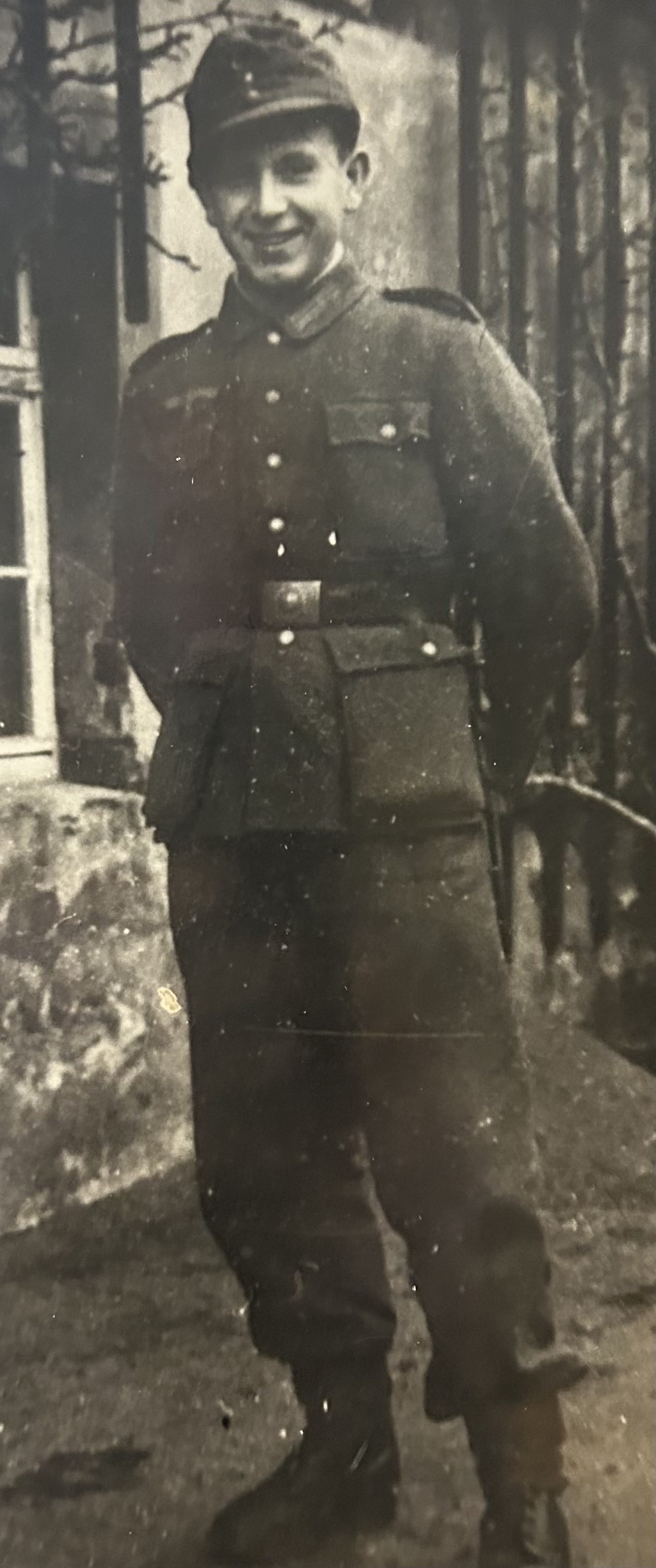
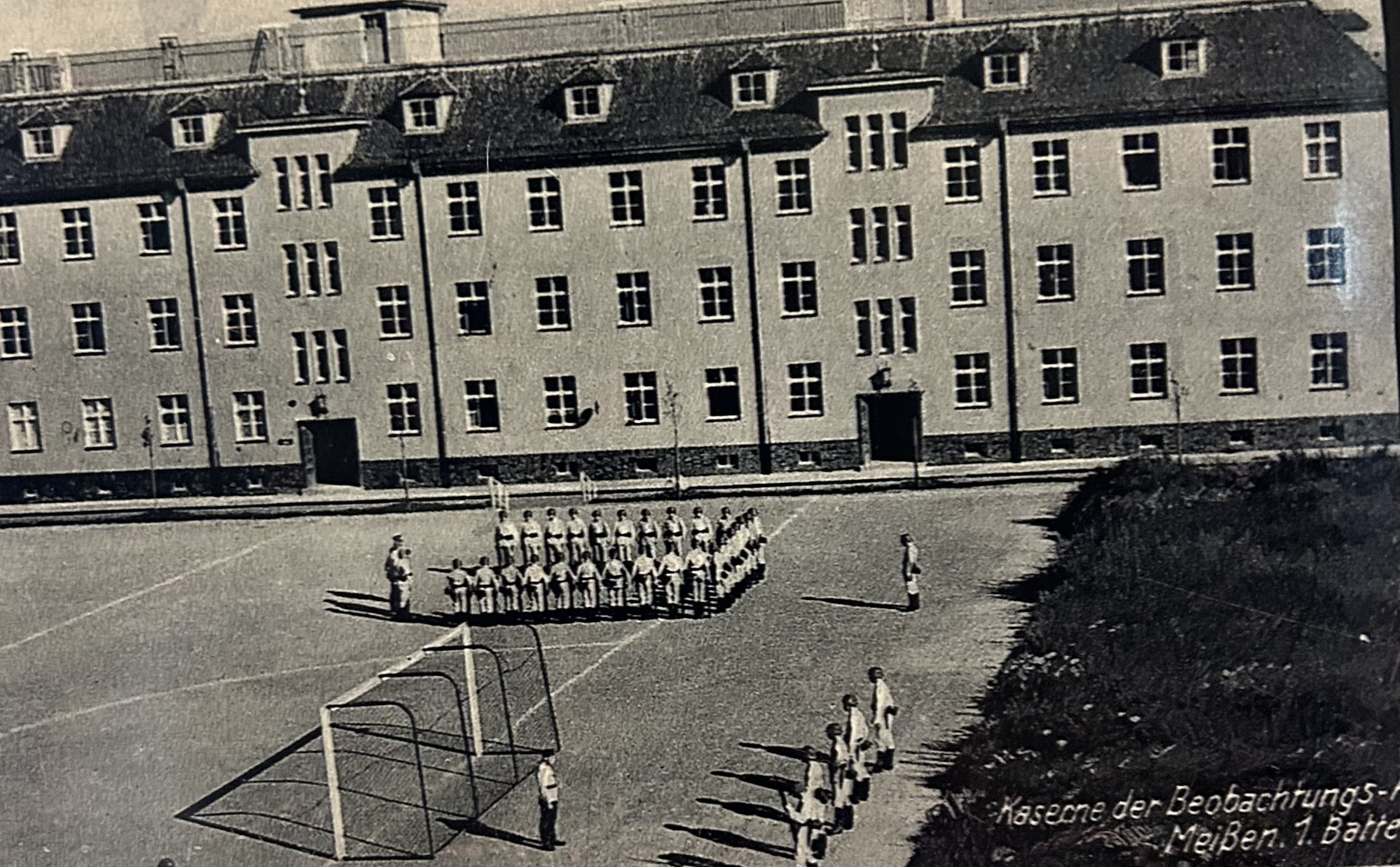
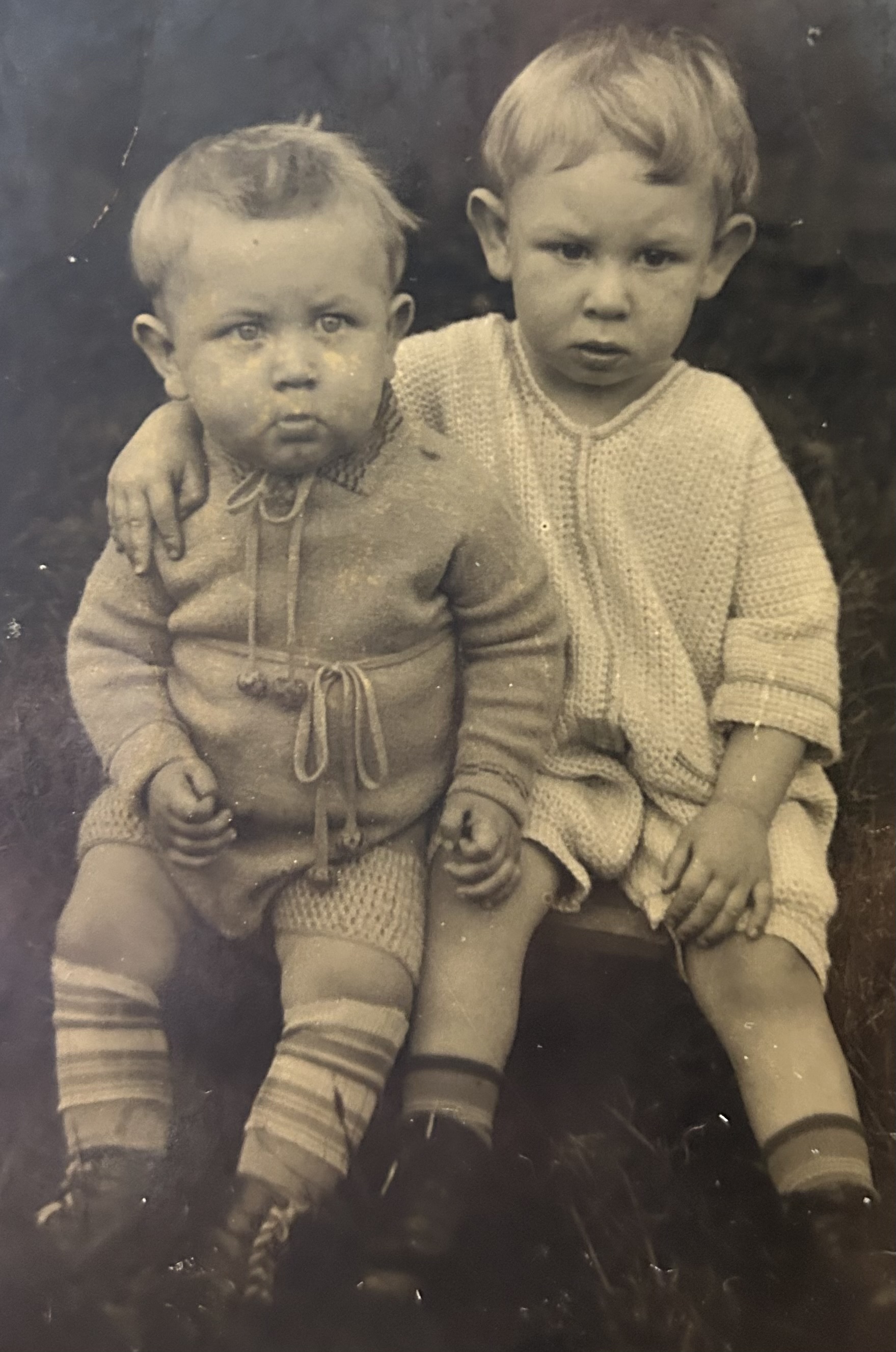
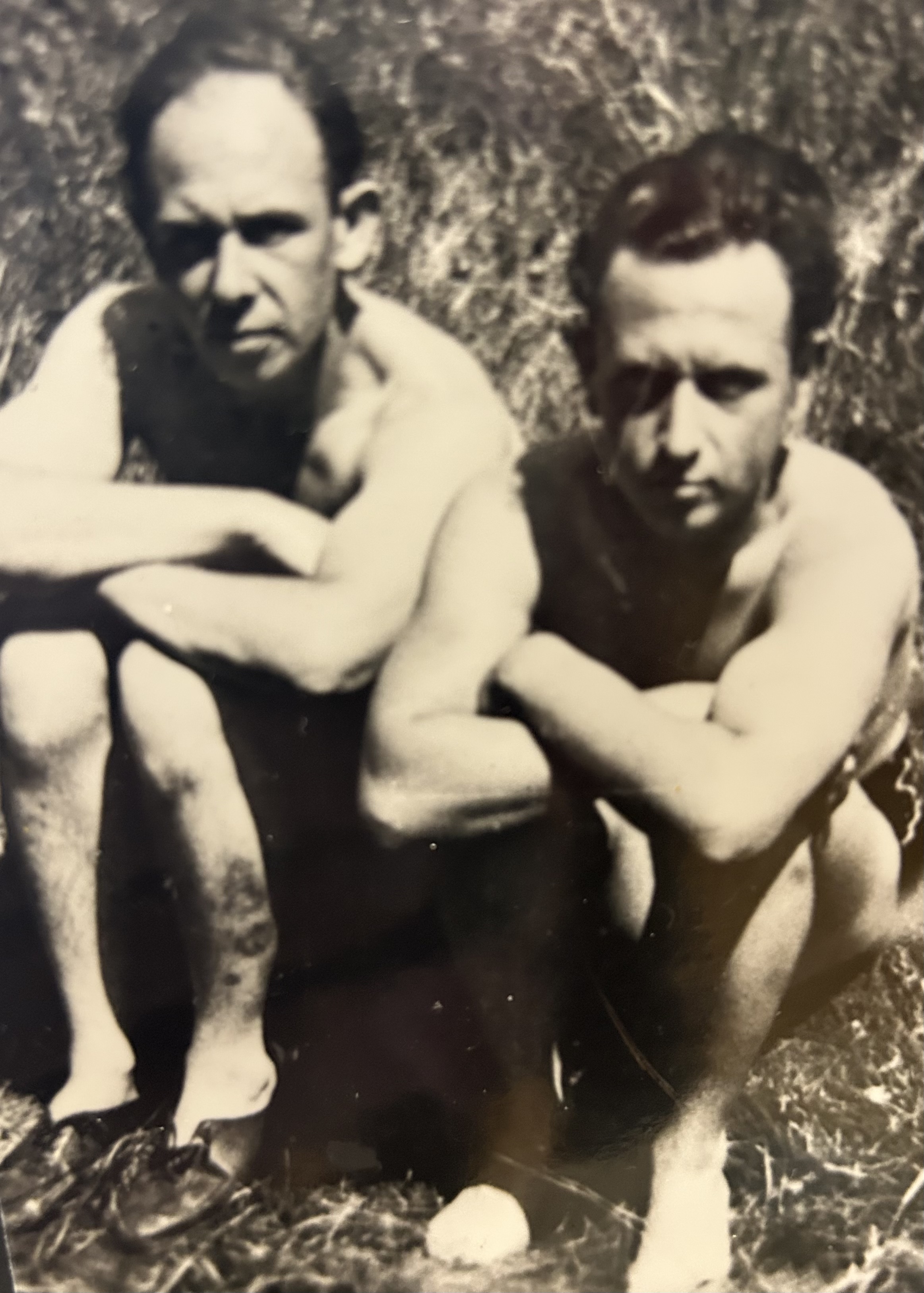
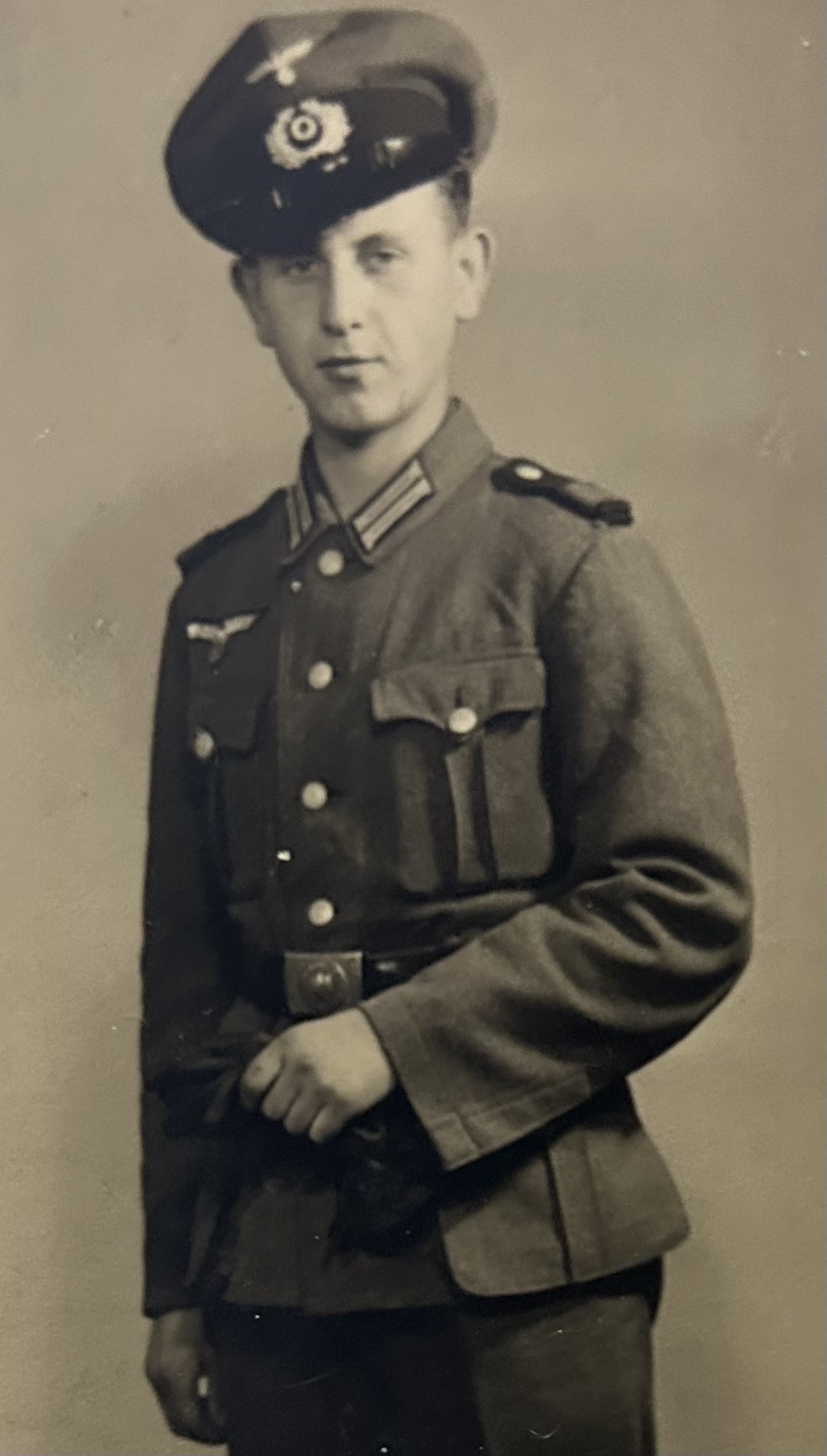
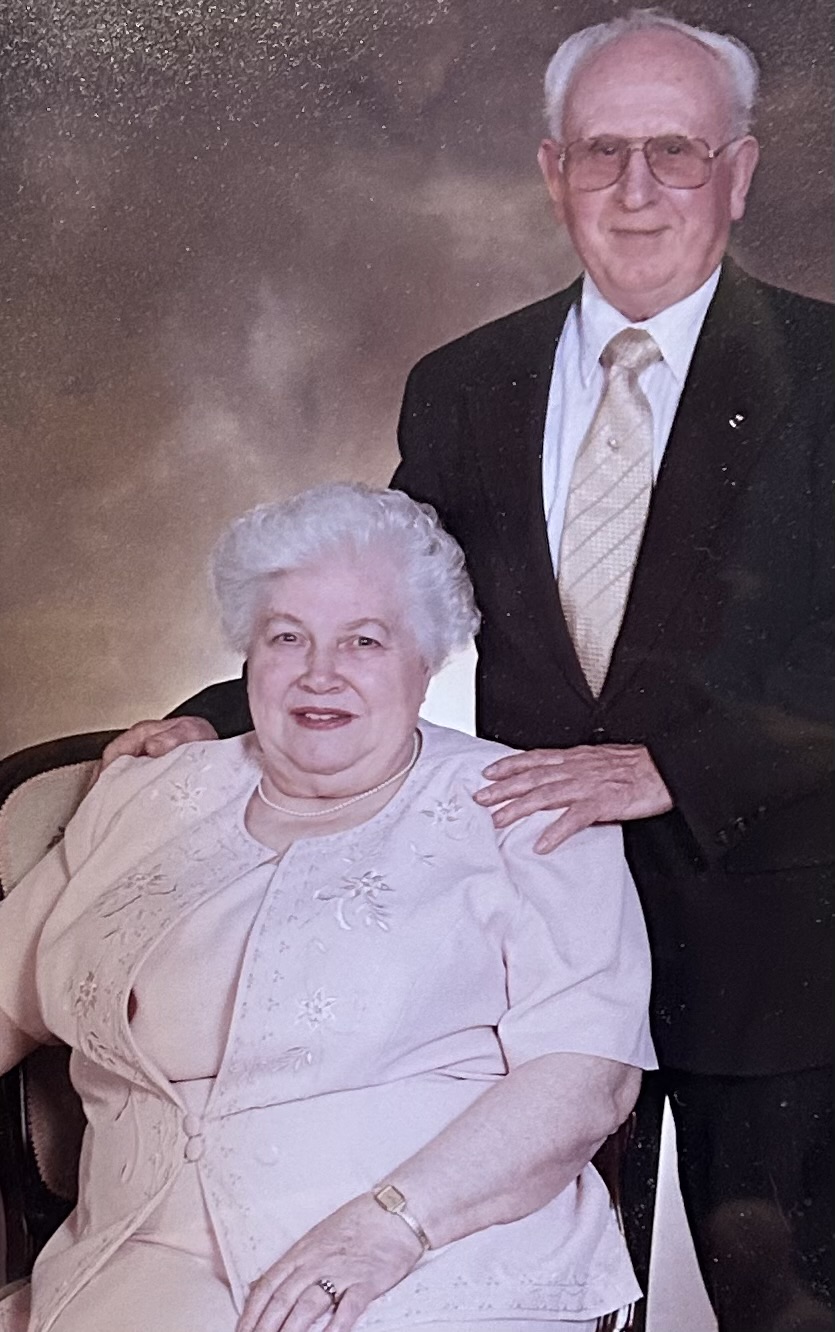
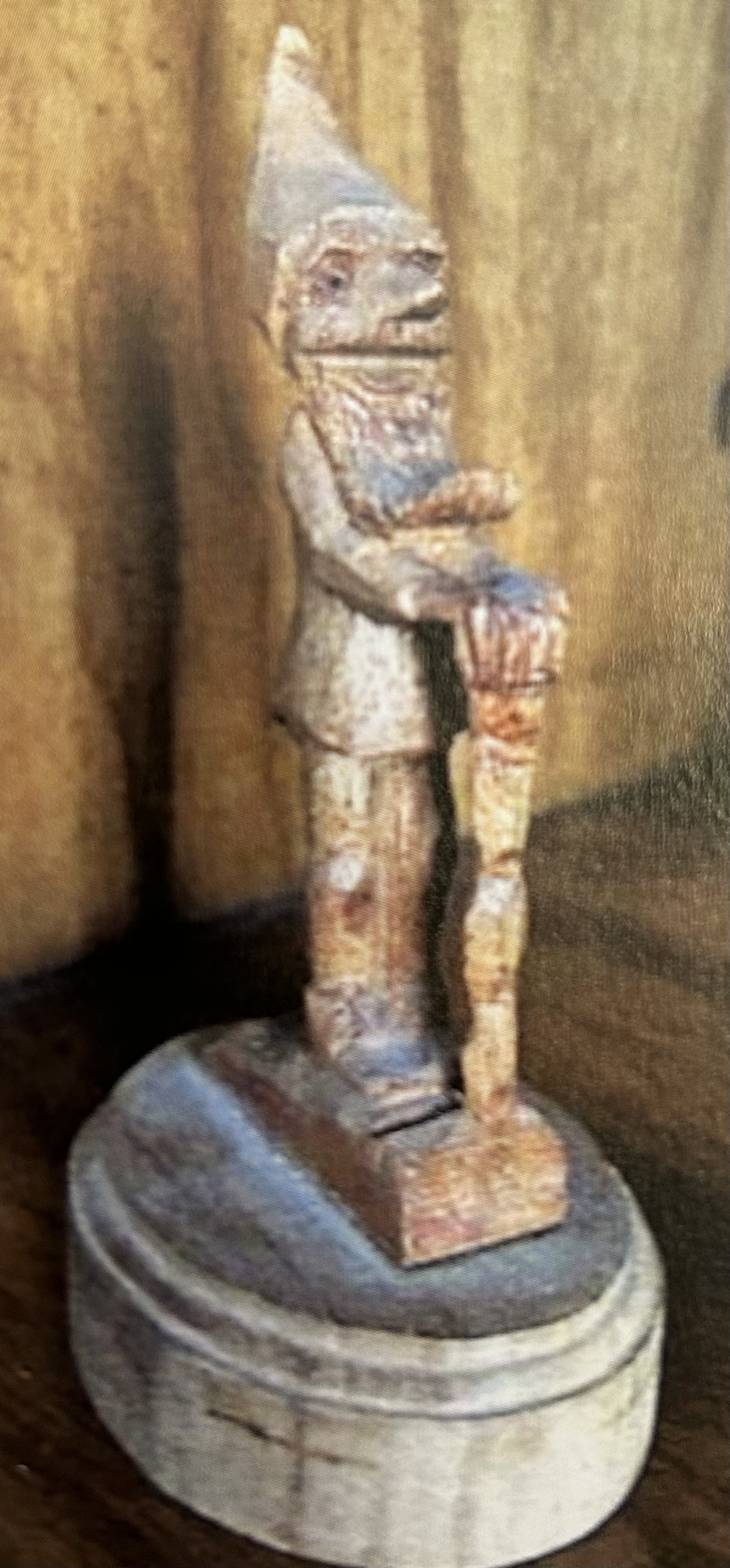
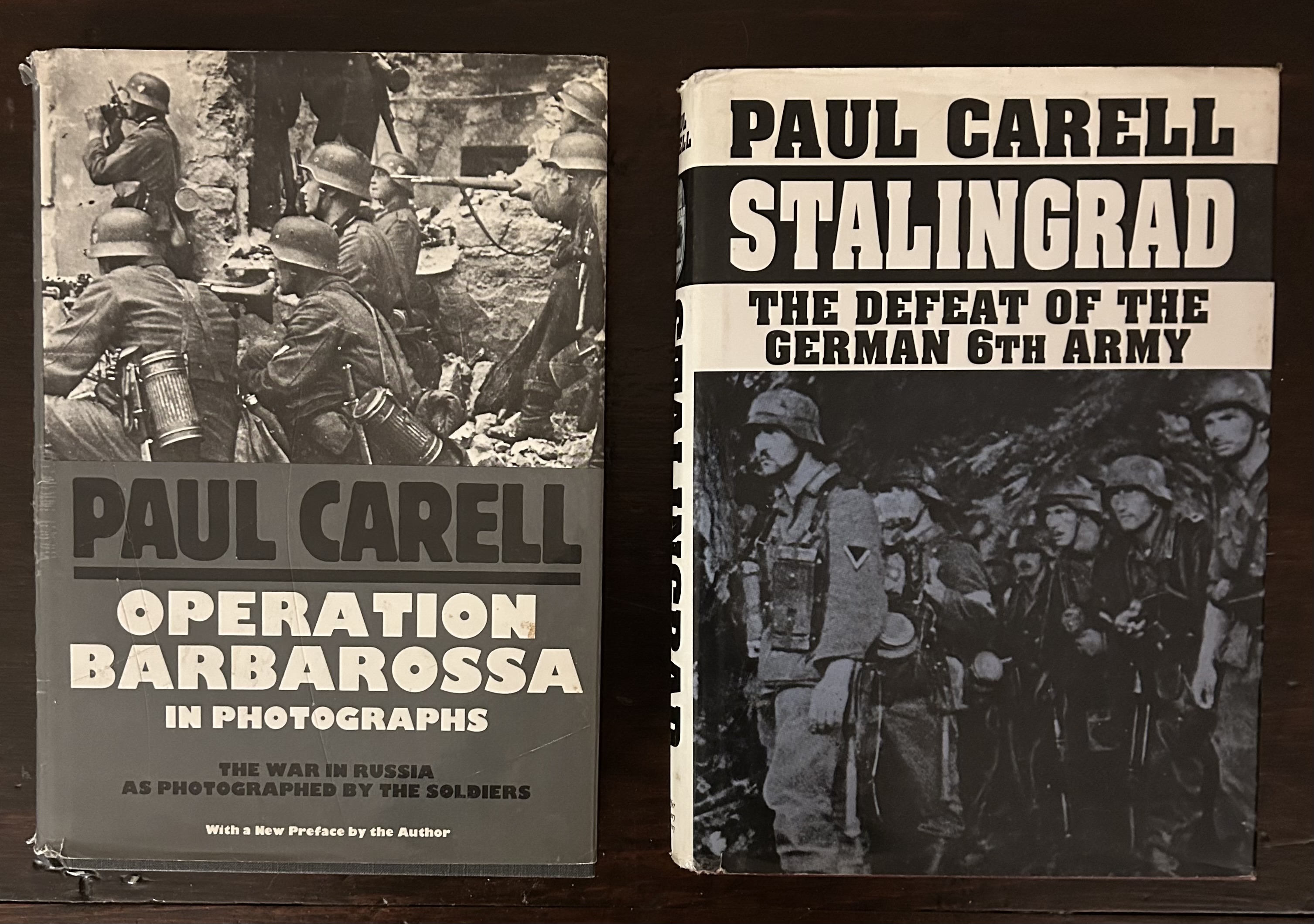
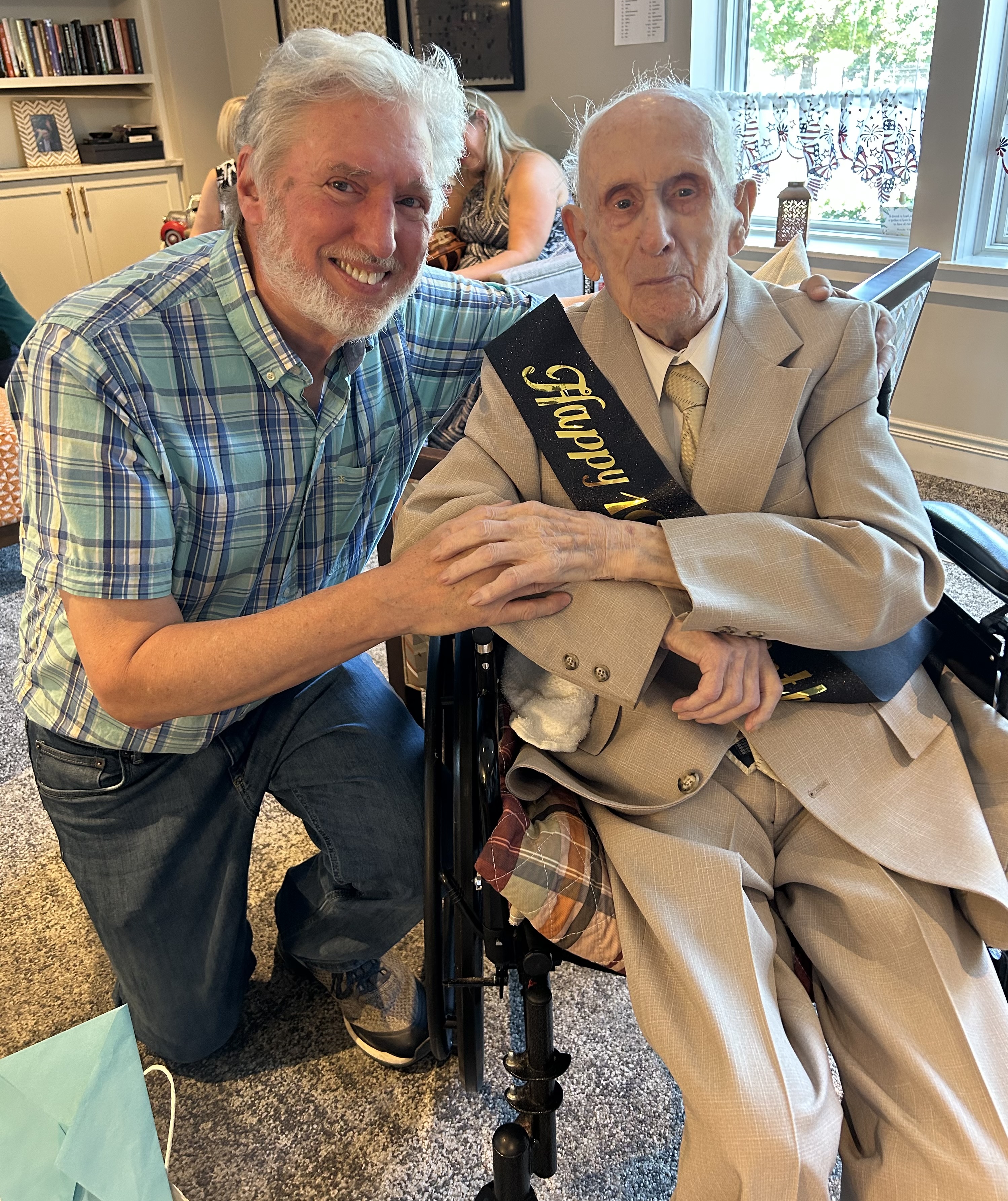


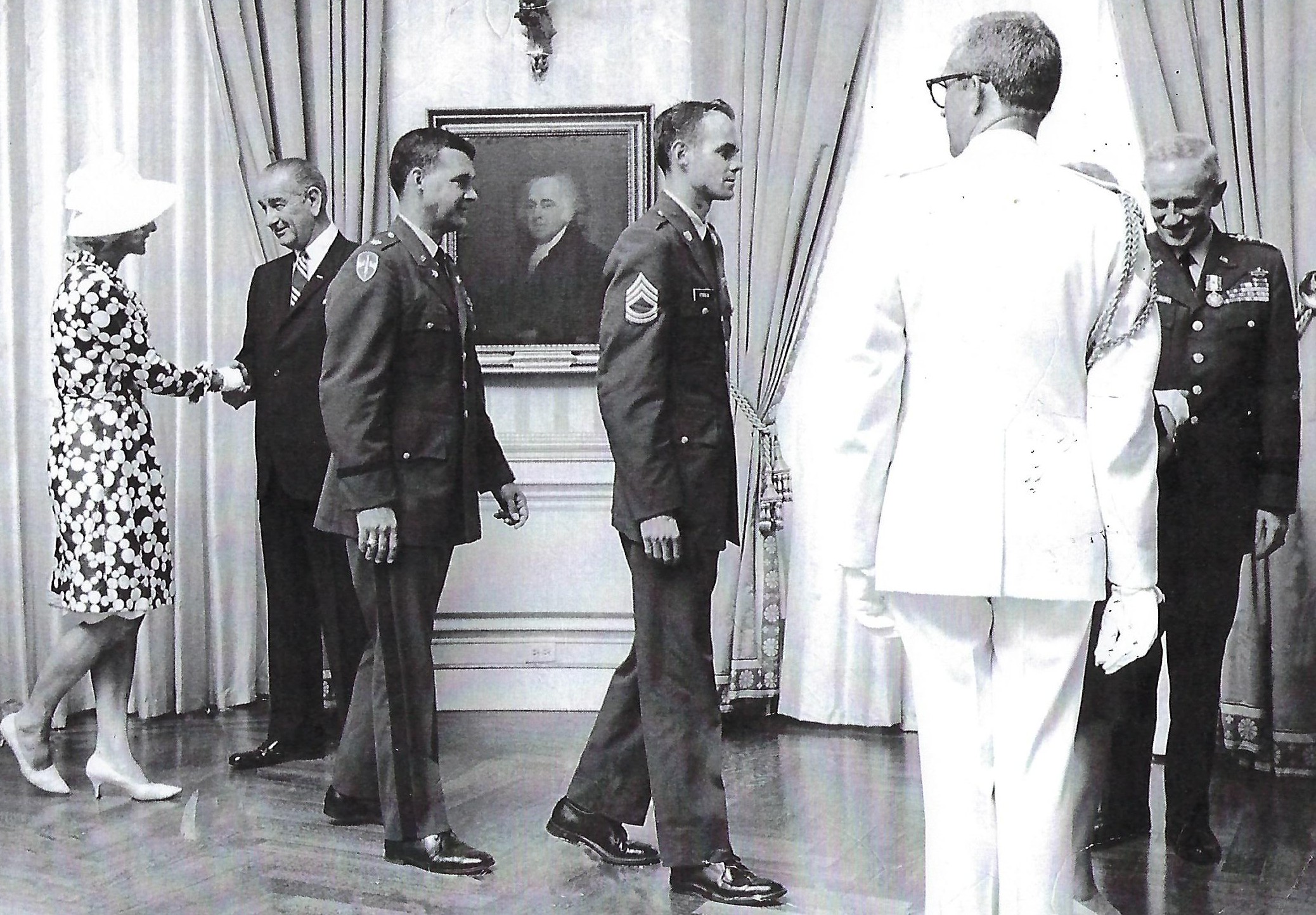


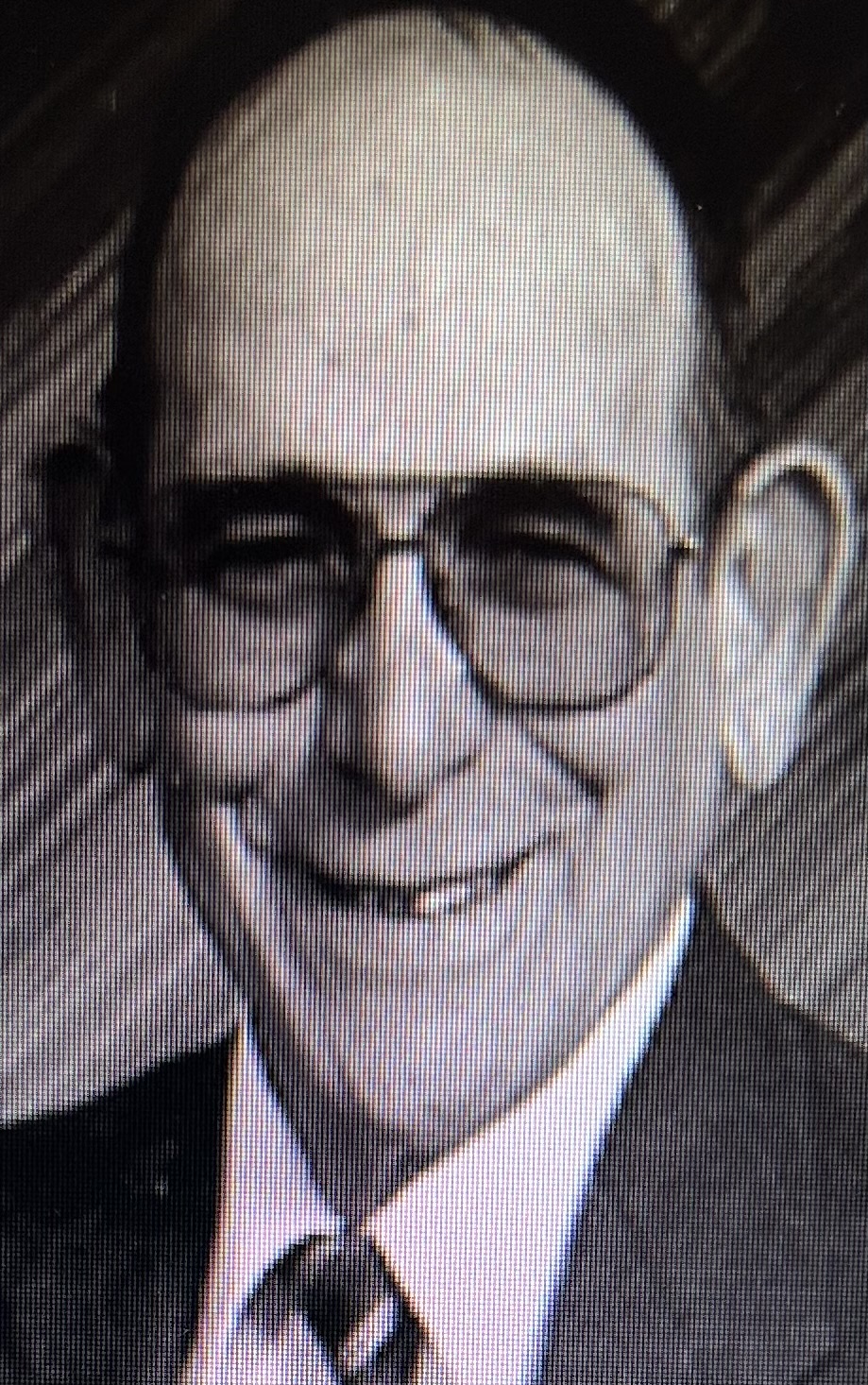

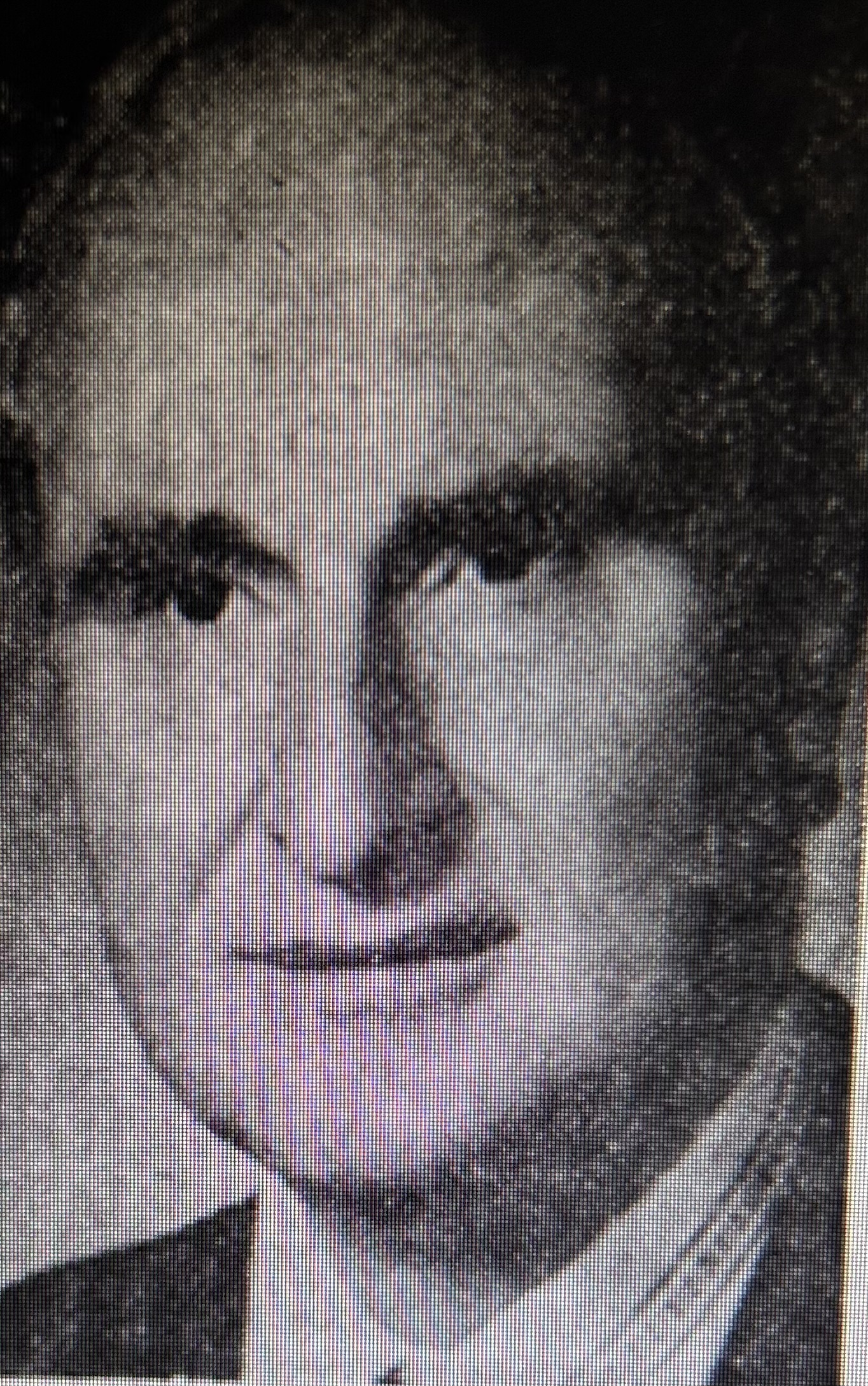


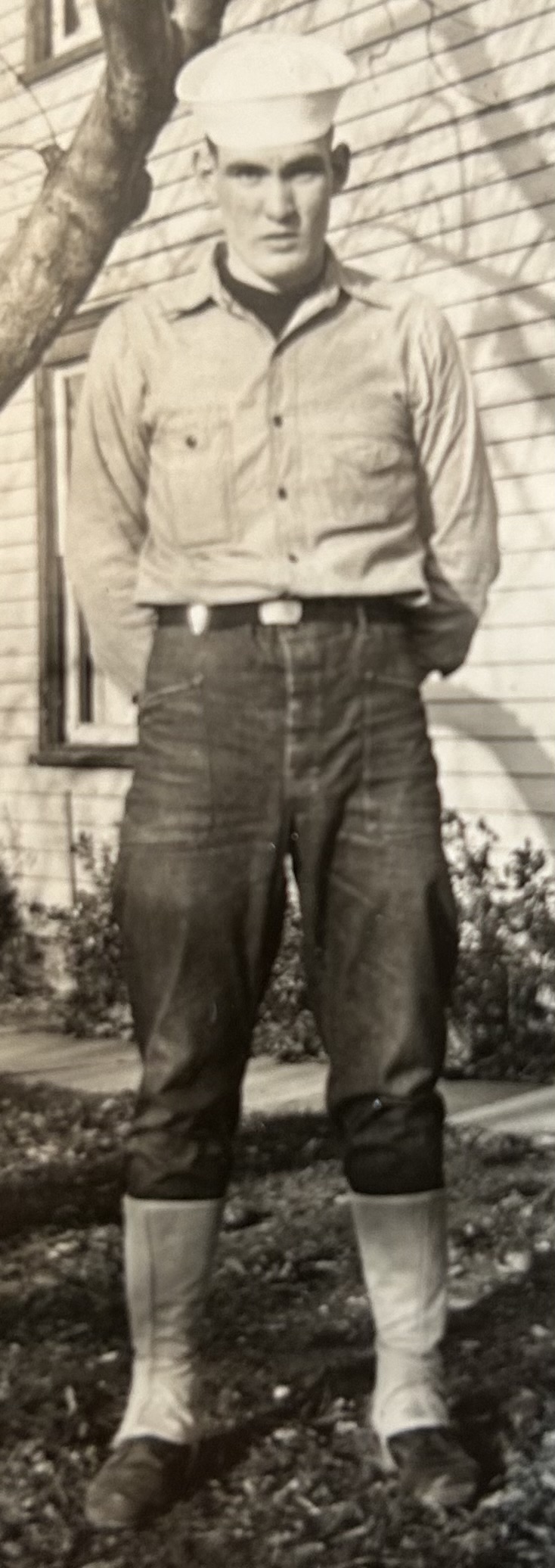
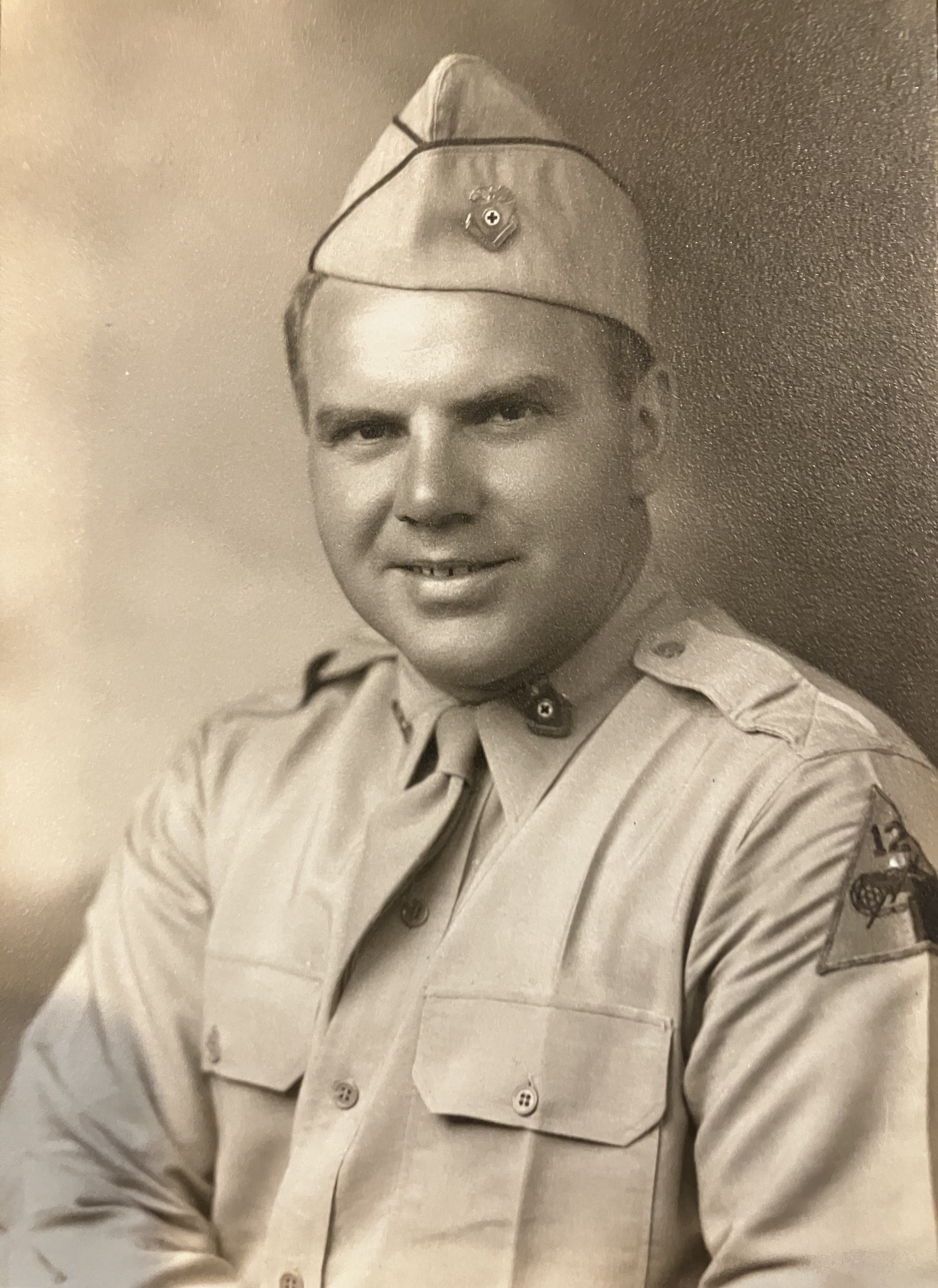
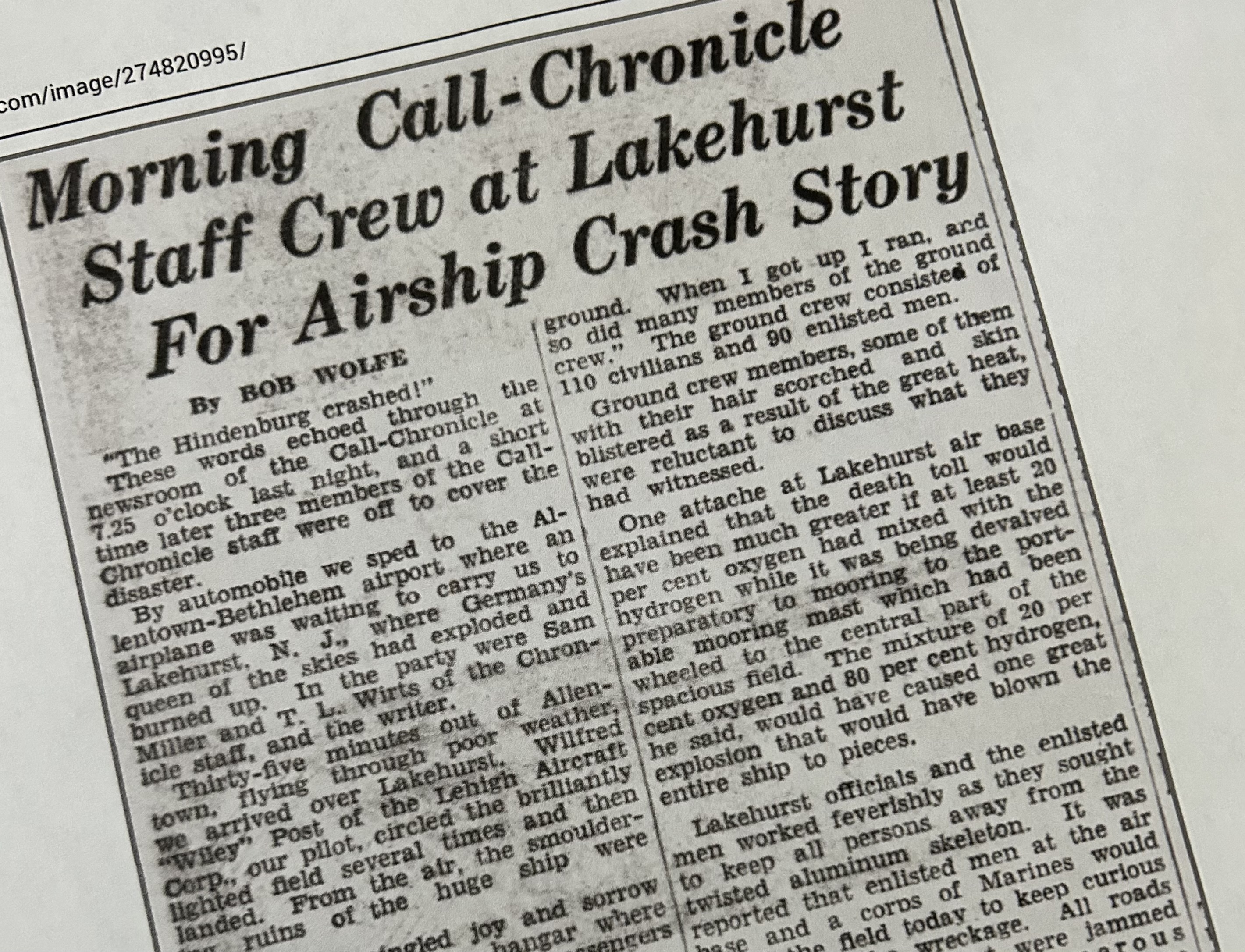


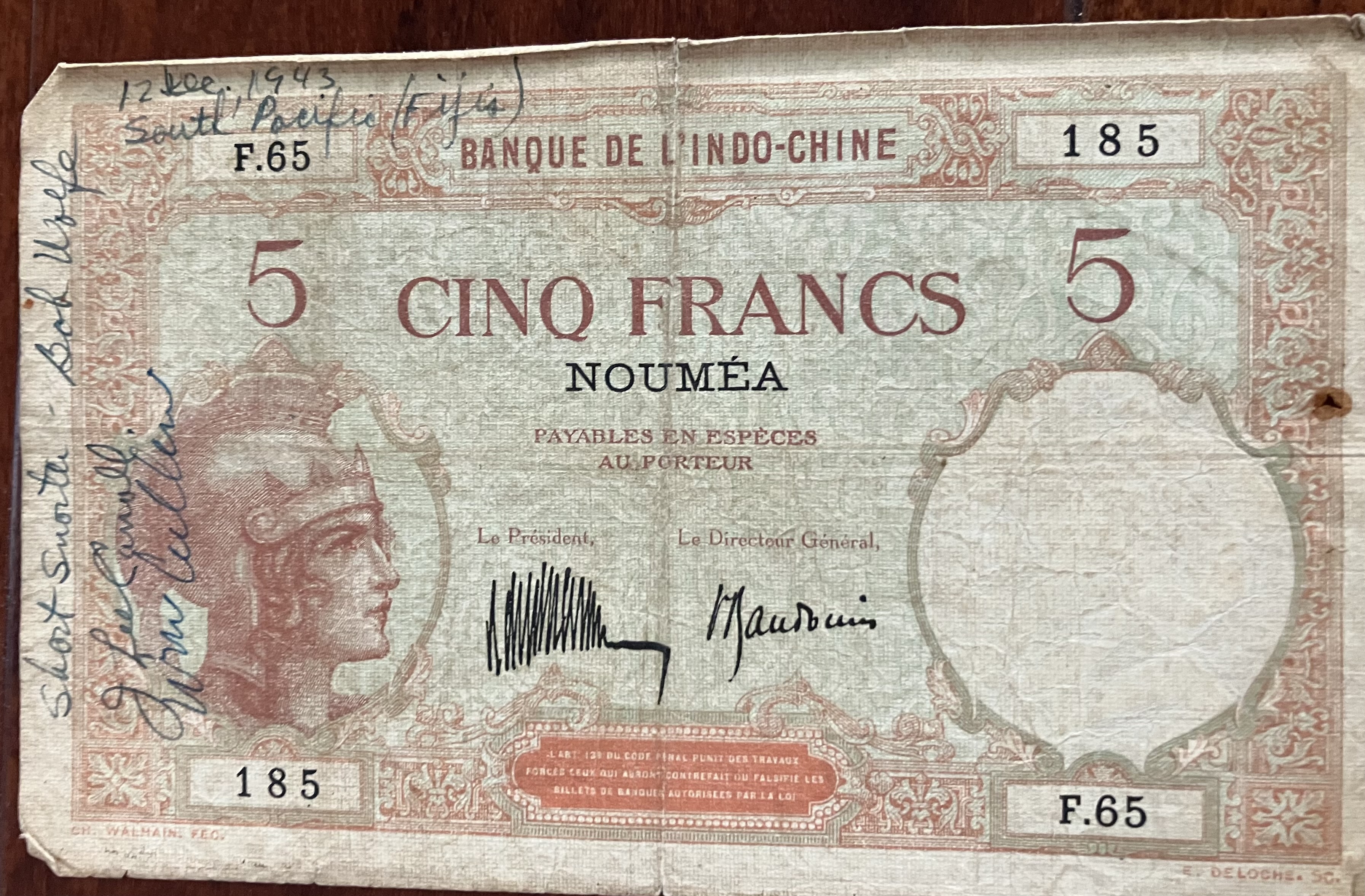
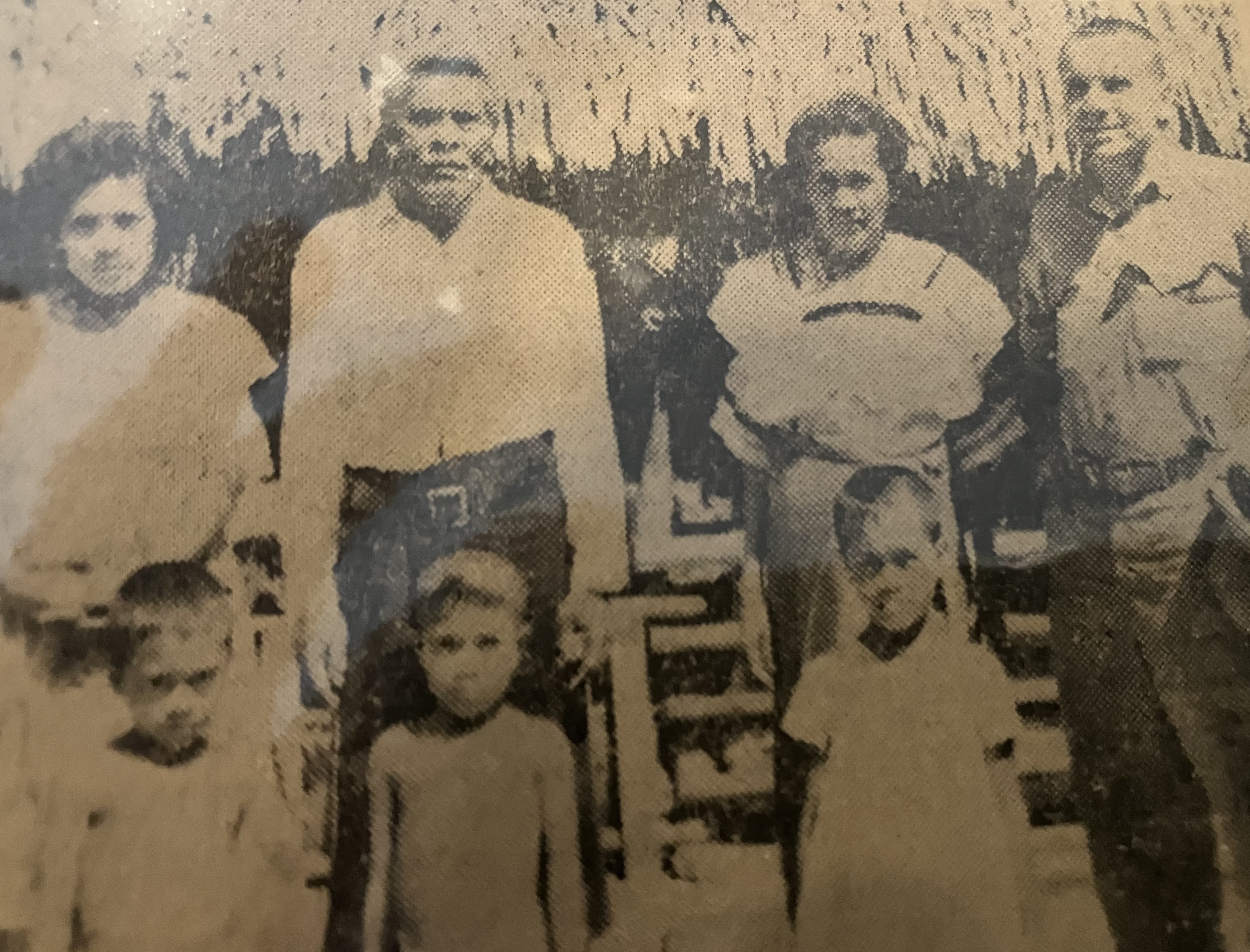


 David Venditta